Pregnancy changes the body in many quiet ways, and the liver is one of the organs that feels that pressure. It has to keep working while the body supports a growing baby, so even a small disturbance can start to show up through the skin, eyes, digestion, or urine.
Jaundice is one such concern, and when it appears during pregnancy, it should never be ignored as a routine discomfort. The yellowing of the eyes or skin often comes from bilirubin building up in the blood, but the real concern is what may be causing that build-up in the first place.
In pregnancy, the reason can range from liver strain to infection or a bile flow problem, and that is why the symptoms of jaundice need close attention. This blog explains the early signs, the causes, and the kind of care that helps a pregnant woman act early and wisely.
Understanding Jaundice During Pregnancy
Jaundice is a condition in which bilirubin, a yellow waste substance made when red blood cells break down, starts collecting in the blood instead of leaving the body in the usual way. When that happens, the whites of the eyes, the skin, and sometimes the urine can begin to look yellow.
Is Jaundice Common During Pregnancy?
It is not a common pregnancy issue, but uncommon does not mean harmless. A pregnant woman may notice jaundice symptoms slowly, or they may appear quite clearly over a short period of time.
Why Can Jaundice Develop During Pregnancy?
Pregnancy brings many changes inside the body, and the liver has to adjust to those changes along the way. In some women, these changes make bile movement difficult, and the liver may struggle to process bilirubin as smoothly as before. That is one of the reasons symptoms of jaundice can appear in pregnancy even when the woman was healthy earlier.
Common Conditions Linked to Jaundice During Pregnancy
Several issues can be behind it. Viral hepatitis is one, and so are pregnancy-related liver conditions such as cholestasis or HELLP syndrome. Gallstones can also block the flow of bile and lead to yellowing. Since each cause needs a different response, proper medical review matters before any jaundice treatment is started.
Early Symptoms of Jaundice During Pregnancy
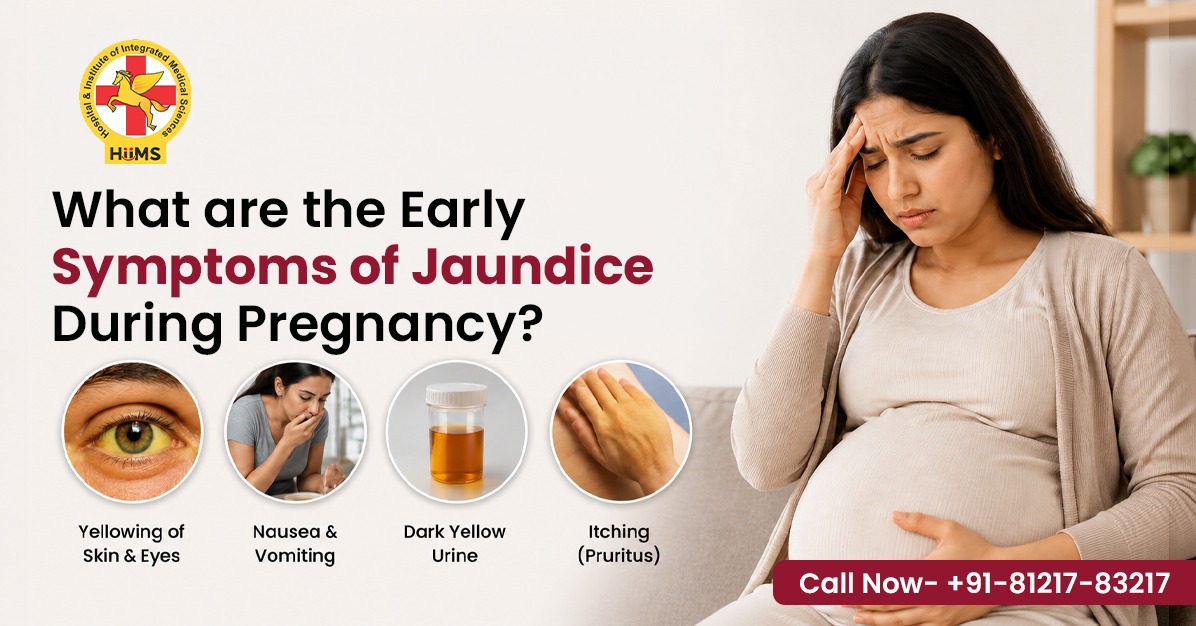
1. Yellowing of the Eyes and Skin
This is usually the first thing people notice. The whites of the eyes may start looking pale yellow, and later the skin can take on a dull yellow shade. Sometimes it is subtle at first, which is why many women only notice it after someone else points it out.
2. Dark-Coloured Urine
Urine may look tea-coloured, amber, or much darker than usual. This happens when bilirubin starts to leave the body through the urine instead of being handled in the usual way. Among the early jaundice symptoms, this one often stands out.
3. Pale or Light-Coloured Stools
A healthy bile flow gives stool its normal brown colour. When bile does not reach the intestines properly, the stool may become pale, greyish, or clay-coloured. This change can feel small, but it is not something to ignore.
4. Persistent Itching Without a Rash
Many pregnant women itch a little because of skin stretching, but liver-related itching feels different. It often shows up more on the palms and soles, and it may become worse at night. This symptom can be linked to pregnancy-specific liver imbalance and should be discussed with a doctor.
5. Unusual Tiredness and Weakness
Some tiredness is normal in pregnancy, but constant heaviness in the body is different. A woman may still feel tired after resting well, or notice that regular daily work takes more effort than before. If this happens together with other symptoms of jaundice, it should not be overlooked.
6. Loss of Appetite and Digestive Discomfort
Food may start to feel unappealing. A woman may feel full too soon, dislike normal meals, or deal with nausea that does not settle. Digestive discomfort can travel alongside liver trouble, so this should not be treated as just a passing phase.
7. Nausea and Repeated Vomiting
A little morning sickness is common, especially early in pregnancy. Vomiting that does not settle down, starts happening more often, or shows up later in pregnancy than usual should not be ignored. This is not always the same as the nausea commonly seen during pregnancy, as liver-related changes can sometimes play a part.
8. Pain or Heaviness on the Right Side of the Upper Abdomen
Discomfort under the right rib area can happen when the liver or gallbladder is under stress. The pain may feel dull, tight, or sharp at times. When this comes together with yellowing or itching, it becomes more serious.
9. Swelling and a General Feeling of Being Unwell
Some women simply feel “off” before anything obvious shows. They may feel weak, puffy, low on energy, or unwell without a clear reason. That vague discomfort is worth listening to, especially if other jaundice symptoms are already present.
Symptoms That Need Immediate Healthcare Attention
A pregnant woman should seek help at the best hospital like Jeena Sikho HiiMS Meerut, soon enough if yellowing rises fast, vomiting does not stop, abdominal pain becomes strong, confusion appears, or the body feels unusually weak and unstable. Very dark urine along with other symptoms of jaundice also needs prompt attention. In pregnancy, waiting too long is not always a good idea.
How Is Jaundice Diagnosed During Pregnancy?
There is no single test that tells the whole story. A closer look is usually needed to understand what is going on. The symptoms, the examination, and the blood test results together help reveal whether the liver is involved. Depending on what those results reveal, further testing may be recommended. The goal is to find the cause early so the next step in jaundice treatment is chosen carefully and safely.
Conclusion
The early signs of jaundice during pregnancy may start quietly, but they should never be treated as routine discomfort. Yellow eyes, dark urine, pale stools, itching, weakness, nausea, and right-side abdominal pain all deserve timely attention because they can point to a liver issue that needs care. Spotting the symptoms of jaundice early can make a real difference in how quickly the problem is handled and how safely the pregnancy moves forward.
With proper diagnosis and the right jaundice treatment, many risks can be reduced. Women who prefer a guided approach can also opt for a VOPD (online video consultation) with the doctors at Jeena Sikho HiiMS.
FAQs
1. What are the first signs of jaundice during pregnancy?
The first signs often include yellowing of the eyes, dark urine, and a tired feeling that does not match the usual level of pregnancy fatigue.
2. Can itching mean jaundice in pregnancy?
Itching on the palms and soles, especially at night, can sometimes point to liver-related changes and should be checked.
3. What tests help confirm jaundice during pregnancy?
Doctors usually rely on bilirubin testing, liver function tests, and a physical examination to understand the cause.
4. Can jaundice affect the baby during pregnancy?
Depending on the cause, jaundice can lead to pregnancy complications, which is why early medical attention is so important.
5. What kind of care is useful along with medical treatment?
Recovery looks a little different for everyone, but many people find that following their doctor's advice and giving the body enough time often makes the process feel smoother.