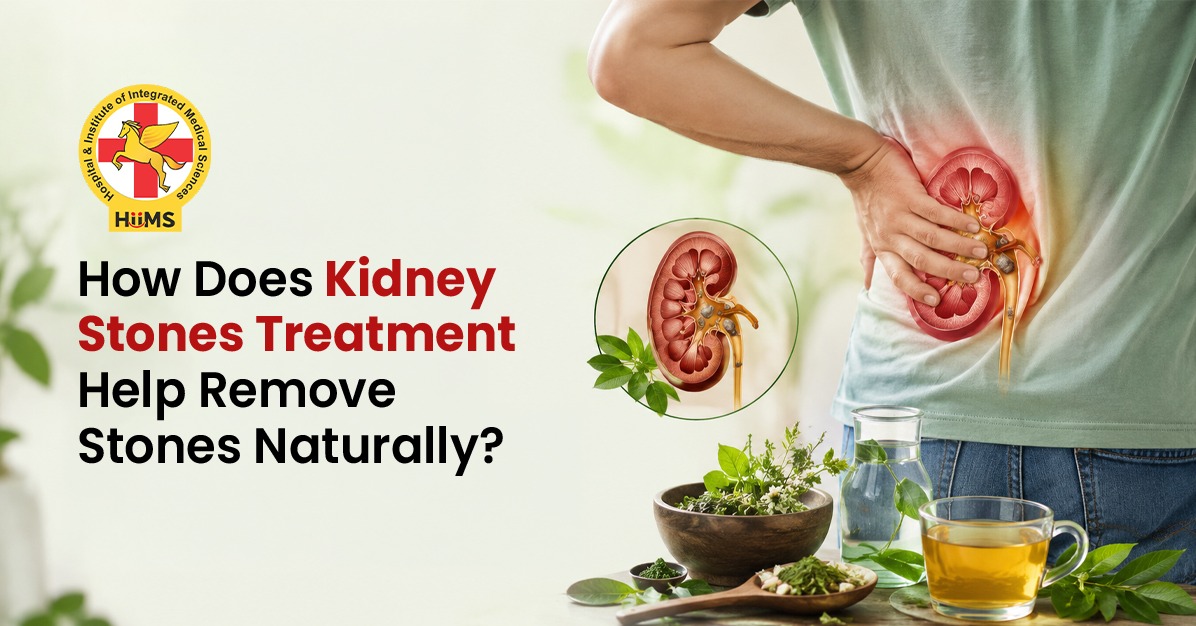
Kidney stones are formed in the urinary system and may cause pain when they start moving. The pain can be felt in the back, side or sometimes towards the lower part of the abdomen. Along with pain, a person may experience burning while urinating, a frequent urge to pass urine, nausea or blood in the urine. Not every stone creates the same problem. A small stone may pass naturally with little discomfort, whereas a bigger stone can become stuck in the urinary passage.
In such cases, proper guidance becomes important while considering kidney stones treatment. The way kidney stones are managed depends on their size, position and type. So, kidney care is not only about getting temporary relief from pain. Water intake, food habits, daily routine and proper guidance also have an important place. Ayurveda gives attention to these everyday factors and follows a more natural and balanced approach towards health. At Jeena Sikho HiiMS Meerut, a kidney hospital, herbal preparations and traditional therapies can be considered as per the person's condition and under suitable guidance.
In this blog, we will look at how kidney stones form, how Ayurveda understands this problem and how natural kidney care may support the body's normal way of passing small stones.
What Are Kidney Stones?
A kidney stone is a small, hard mass that forms inside the kidney when certain minerals and salts gather together. This process does not usually happen in one day. It develops slowly, often when urine becomes too concentrated because of low water intake. Sometimes other factors can also play a role in stone formation.
A small stone may remain in the kidney for some time without giving any noticeable signs. But when it begins to move, the person may experience sharp pain, discomfort or changes while passing urine. A kidney specialist can help identify what may be causing repeated stones.
Why Do Kidney Stones Form?
There are many kidney stone causes that build up slowly over time, and understanding them can help you avoid this problem in the future.
Drinking very little water throughout the day,
Eating too much salty, spicy or fried food,
Holding urine for a long time instead of passing it,
Weak digestion that leaves waste sitting inside the body,
Late-night eating and heavy meals before sleeping,
When these habits continue for months and years, waste keeps collecting inside the body and slowly turns into a stone.
Common Signs of Kidney Stone Formation
Kidney stones may not cause any signs in the beginning, but certain changes can appear when a stone starts moving through the urinary tract.
Sharp pain in the back or side of the body
Burning feeling while passing urine
Frequent urge to go to the washroom
Blood seen in urine at times
Feeling of nausea or vomiting
If these signs keep showing up again and again, it is wise to take proper care instead of ignoring them.
How Can Kidney Stones Pass Naturally?
Small kidney stones can sometimes pass out through the urinary tract on their own, depending mainly on their size and where they are located. Drinking enough fluids may help keep the urine flowing properly. Still, it is better to consult a kidney specialist, as the stone type and exact position can decide which approach is suitable.
Natural and Holistic Approaches to Kidney Stones Treatment
Ayurveda gives importance to food, digestion, daily habits and proper water intake when looking at kidney wellness. At Jeena Sikho HiiMS Meerut, a natural approach to the kidney stones treatment may also consider these everyday factors along with the person's overall health and needs.
1. Panchakarma Detox Therapy
Panchakarma is a traditional Ayurvedic cleansing approach that includes five main procedures. The suitable procedure depends on the person’s health and individual needs.
Vamana: Therapeutic vomiting
Virechana: Therapeutic purgation
Basti: Medicated enema therapy
Nasya: Herbal preparation through the nasal passage
Raktamokshana: Traditional bloodletting
It mainly focuses on supporting the body’s natural cleansing and elimination processes and may be used as part of a broader approach to kidney and urinary health.
2. Dinacharya for Kidney and Urinary Health
Following a simple daily routine may be helpful for maintaining the urinary and kidney wellness. A kidney doctor can also guide you according to your individual needs.
Sleep and wake up at nearly the same time
Do not make a habit of holding urine for long
Take a little walk or practise gentle yoga
Choose fresh and simply cooked meals
Keep very salty and processed foods limited
3. Drinking Enough Water
Good water intake helps keep urine diluted and may reduce the chances of minerals collecting together to form stones.
Drink water regularly during the day.
Keep water with you when going outside.
Pay attention to urine colour as a simple hydration guide.
Follow a doctor's fluid advice if you have kidney or heart problems.
Together, these Ayurvedic practices may support healthy elimination, proper hydration and better daily habits as part of a natural approach to kidney stone care.
Natural Herbs for Urinary and Kidney Support
Herbs have been used in Ayurveda for many years as part of traditional care. Some plants are traditionally included in preparations meant to support urinary health.
1. Herbal Kadha for Kidney Stone Support
One traditional kadha routine described for the kidney support uses corn silk along with ajwain, saunf, and jeera.
Ingredients
Corn silk, also called the hair of corn: 50 g
Ajwain: a small quantity
Saunf: a small quantity
Jeera: a small quantity
Water: 2 litres
Method
Take 50 g of corn silk and add it to 2 litres of water.
Boil it until the water reduces to approximately 1 litre.
Add a small quantity of ajwain, saunf, and jeera.
Boil the mixture for a few more minutes.
Strain the kadha and keep it for use during the day.
As per the routine described, 50 g of corn silk is used on one day, once a week. The full 500 g quantity is not used at one time.
2. Other Herbs Traditionally Used for Kidney Stone Support
Ayurveda traditionally uses several herbs and natural ingredients for urinary and kidney support, including:
Makoy, also known as Black Nightshade
Punarnava
Kasni, also known as Chicory
Peepal Chaal
Gokhru
Neem Chaal
Kalmi Shora
Nausadar
Jonkhai, or natural alkali extracts
These herbs are used in different Ayurvedic preparations, with their choice and quantity depending on the person’s condition and need
When Should You Consult a Doctor?
If kidney stone symptoms are severe or keep coming back, it is better to speak with a kidney doctor rather than ignore them. The same is true when the symptoms do not improve. Severe pain, fever, chills, repeated vomiting, blood in the urine, or difficulty passing urine may need timely medical attention.
If you are looking for the guidance, Jeena Sikho HiiMS Meerut can also be considered for consultation and further evaluation. It is important not to delay professional care when symptoms are severe or unusual.
Conclusion
Kidney stones can often be managed better when attention is given to both the present stone and the habits that may encourage its formation. Kidney stones treatment may include proper hydration, suitable food, daily routine changes, and traditional Ayurvedic support when appropriate. Small stones may pass naturally, but larger or blocked stones need proper evaluation. A VOPD consultation with a specialist can help you understand your reports, stone size and suitable natural care before you try any herbal preparation on your own.
FAQs
1. What are the first signs of a kidney stone?
Sharp pain in the back or side, burning while urinating, and a frequent need to urinate can be the early signs of kidney stones.
2. Does drinking more water help dissolve kidney stones?
Water does not dissolve kidney stones, but drinking enough water can make urine less concentrated and may help small stones pass naturally.
3. Is corn silk kadha effective for kidney stones?
Corn silk is traditionally used for the urinary support, but its effect varies from person to person.
4. Does holding urine for long periods cause kidney stones?
Yes, making a habit of holding urine can lead to the more concentrated urine and may increase the chance of stones.
5. What is the difference between a kidney stone and a UTI?
A kidney stone is made of minerals, whereas a UTI happens because of an infection. Both may cause similar symptoms.