Imagine waking up at 2 a.m. with a sharp, stabbing pain in your back that simply will not go away. You are scared and uncomfortable, and the first thing you do is search online for how to remove kidney stones naturally.
If that sounds familiar, you are not alone. Kidney stones are one of the most common urinary problems, and almost everyone who has had one wants the same thing: relief, ideally without a hospital visit.
Water, the right diet and a few daily habits can really help small stones pass and keep new ones from forming. But they cannot promise to remove a stone that is already there. In this guide, we explain what actually works, what is just a myth, and when it is time to see a kidney doctor.
What Are Kidney Stones and What Causes Them?
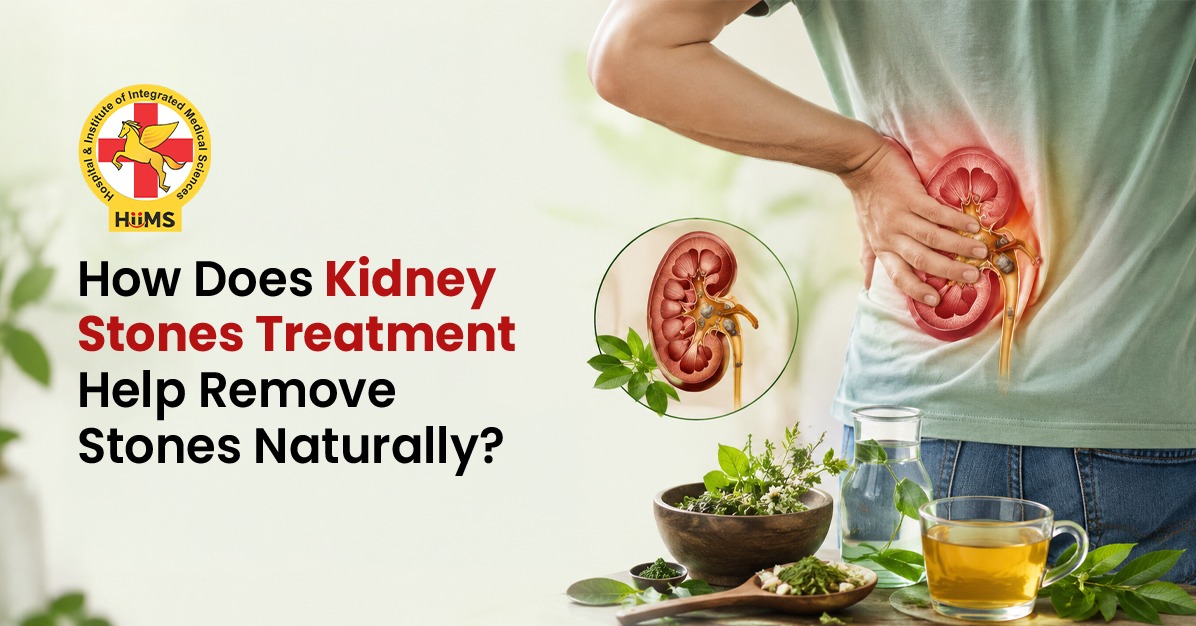
Kidney stones are the mineral and salt deposits which are formed in the kidneys. This occurs when there is an excessive accumulation of the compounds, such as calcium, oxalate, and uric acid in the urine. With time, these crystals develop into stones, where some are tiny enough to pass out of the body unnoticed, while others are larger and become lodged in the urinary tract, causing severe pain.
The common kidney stone causes are:
Low fluid consumption: Urine becomes concentrated, increasing crystal formation potentiality.
High sodium consumption: Too much sodium increases the amount of calcium excreted in the urine.
Diet: Protein-rich diet or intake of high quantities of oxalates in individuals who are prone to developing kidney stones.
Family history: Patients having a family history of stone disease have a higher risk of developing kidney stones.
Illnesses: People with the metabolic diseases, gastrointestinal illnesses, and repeated UTIs are at increased risk for kidney stones.
Excess body weight: Obesity and related metabolic changes are linked to more stones.
Knowing the likely cause matters, because advice for one type of stone may not suit another. A kidney specialist can help work this out.
Can Kidney Stones Pass Naturally?
Sometimes, small stones that are not blocking urine flow and not causing infection often pass with plenty of fluids and, when needed, medicines prescribed by a doctor. Whether a stone will pass depends on its size, shape and position in the urinary tract.
Larger stones usually need a procedure such as shock wave lithotripsy or ureteroscopy if the situation gets worse. One point is worth stating clearly: drinking more water or taking lemon juice does not dissolve every kind of stone. These habits help with hydration and prevention. A proper check-up tells you which route is right for you.
Hydration: The Habit That Matters Most
When you drink enough fluid, your urine is more dilute, and minerals are less likely to clump together. Some practical ways to get there:
Sip through the day rather than drinking a lot in one go.
Add fresh lemon to water. Lemon contains citrate, which may lower the risk of certain calcium stones.
Drink more in summer or after exercise, when you lose fluid through sweat.
Check your urine colour. Pale yellow usually means you are well hydrated.
Keep water as your main drink, and go easy on sugary drinks and packaged juices.
People who get stones repeatedly are often advised to aim for about 2.5 litres of urine a day. How much water that takes differs from person to person. If you have kidney disease, heart failure or a fluid restriction, speak to your doctor before increasing your intake.
If you have any questions or would like to learn more, connect with our experts for personalised guidance and support.

Diet Changes That May Help Prevent Kidney Stones
What you eat changes what ends up in your urine. A balanced plate with less salt, enough calcium and moderate protein is a good base.
1. Cut back on salt
Sodium raises the calcium level in urine. Try to limit namkeen, chips, salted biscuits, pickles, papad, instant noodles, packaged soups and fast food. Cooking fresh at home with natural spices makes this much easier.
2. Do not avoid calcium
This surprises many people. Calcium from food actually binds to oxalate in the gut, so less oxalate reaches the urine. Milk, curd and moderate amounts of paneer can all fit in. Do not cut dairy unless your doctor tells you to. Calcium supplements are a different matter and should only be taken on medical advice.
3. Watch high-oxalate foods
Spinach, beetroot, peanuts, almonds, chocolate and black tea are rich in oxalate. If you form calcium oxalate stones, you may need to moderate them, but you rarely need to give them up completely. Eating them alongside a calcium-rich food can help.
4. Keep animal protein moderate
Too much red meat, organ meat, poultry or seafood can raise uric acid and lower citrate in urine. Dal, beans and lentils are good plant-based options.
5. Be careful with supplements
Very high doses of vitamin C may increase oxalate production in some people. Check with your doctor before starting or stopping any supplement.
Daily Habits for a Healthier Urinary Tract
Stay active. Walking, cycling and other moderate exercise support a healthy weight.
Manage your weight gradually. Avoid crash diets, which can upset your body's balance.
Do not hold urine for long. It is not a proven direct cause of stones, but regular bathroom breaks support normal urinary health.
Eat regular, balanced meals with vegetables, fruit, whole grains and suitable protein.
Replenish fluids after sweating.
These habits are good for long-term prevention. They are not a replacement for medical care if a stone is already causing symptoms.
The Ayurvedic and Holistic View at Jeena Sikho HiiMS
At Jeena Sikho HiiMS Meerut, our Ayurvedic approach starts by determining the individual’s current health status, digestive system, dietary requirements and daily life routine. It is based on the consultation that our practitioners go through the patient’s health background, symptoms and all relevant documents to determine the nature of the kidney stones.
On the basis of the individual’s analysis, some qualified practitioners can recommend him/her certain Ayurvedic herbs, such as Pashanbheda and Gokshura, in addition to dietary and lifestyle recommendations for the individual’s health conditions.
The focus is on providing individualised guidance through Ayurveda, healthy dietary practices and lifestyle modifications. Patients are also encouraged to undergo appropriate medical investigations and consult a urologist when required. Ayurvedic herbs and therapies should not replace necessary medical care or delay treatment for an obstructing or infected kidney stone.
Worried about recurring stones? Talk to a specialist who looks at the whole picture.

When Should You See a Kidney Doctor?
Natural methods can be used for prevention and aid some small stones in moving through the system, but delay may cause further problems. Seek medical help from a kidney doctor or urologist if you have:
Pain in the back, side, stomach area or groin that is severe
A fever and shivers that might mean there is an infection
Blood in the urine (red, pink or brown urine)
Persistent nausea and vomiting
Difficulty urinating or a reduced amount of urination
Severe fever with kidney stones, inability to urinate, or severe pain must seek immediate care at a kidney hospital or emergency room. Physicians will use imaging tests and urine/blood tests to determine what is wrong and treat accordingly.
Conclusion
Managing kidney stones comes down to steady habits: enough fluids, less salt, balanced meals and an active routine. Some small stones do pass naturally, but home remedies cannot handle every case. Understanding your kidney stone causes and your stone type is the first step toward lasting relief.
If you have severe pain, fever, blood in your urine or difficulty passing urine, do not wait. Speak to a qualified kidney specialist today for a proper evaluation and a care plan made for you. To explore a holistic, personalised approach, connect with the team at Jeena Sikho HiiMS Meerut.
FAQs
1. Can kidney stones be removed naturally without surgery?
Some small stones pass through urine on their own. Larger stones, or those that block urine flow, may need a medical procedure. The right choice depends on size, location and type.
2. Does lemon water help with kidney stones?
Lemon contains citrate, which may help prevent certain calcium-based stones. It is not a guaranteed way to dissolve stones you already have.
3. Which foods should I limit if I have kidney stones?
High-sodium packaged foods, large amounts of animal protein and high-oxalate foods like spinach, beetroot and nuts may need moderation. The right limits depend on your stone type.
4. How much water should I drink?
It varies with body weight, weather, activity and health conditions. Many people prone to stones are advised to make about 2.5 litres of urine a day, under medical guidance.
5. Can kidney stones come back?
Yes. Stones can recur even after they pass or are removed. Knowing your stone type, staying hydrated and following suitable dietary advice can lower the risk.
Disclaimer: The information shared in this blog is for general educational and informational purposes only. It should not be considered a substitute for professional medical advice, diagnosis, or treatment. Please consult a qualified healthcare professional for advice based on your individual health needs. Do not make changes to your diet, lifestyle, or treatment plan without proper guidance.
Author: Kishan Kant Soni

Dr. Kishan Kant Soni has experience in Ayurveda of around 2 years. He is one of the best Ayurvedic Doctors in Meerut. His areas of expertise include the management of diabetes, Cancer, Liver diseases, Back pain, Kidney diseases, Heart disease and Skin disorder etc. Many individuals have benefited from her ayurvedic treatment.