Most people do not really think about cholesterol until it suddenly shows up in a report. You go for a routine checkup, everything feels normal, and then you see those numbers. LDL is high. HDL is low. And just like that, something that never bothered you before starts sitting in your mind.
What makes it more confusing is that there are no clear symptoms in most cases. You feel fine, but the report says otherwise. That is where the real question begins. What actually works to control cholesterol? Is it just about food, or does it go deeper than that? Do you need medicines immediately, or can you manage it in a more natural way?
The truth is, cholesterol control is not about one quick fix. It is about how your body responds to your daily routine. Your eating habits, movement, sleep, stress, all of it plays a role. This guide is meant to simplify things for you, so you understand what actually helps in real life and how to control cholesterol step by step without making it feel overwhelming.
What Is High Cholesterol?
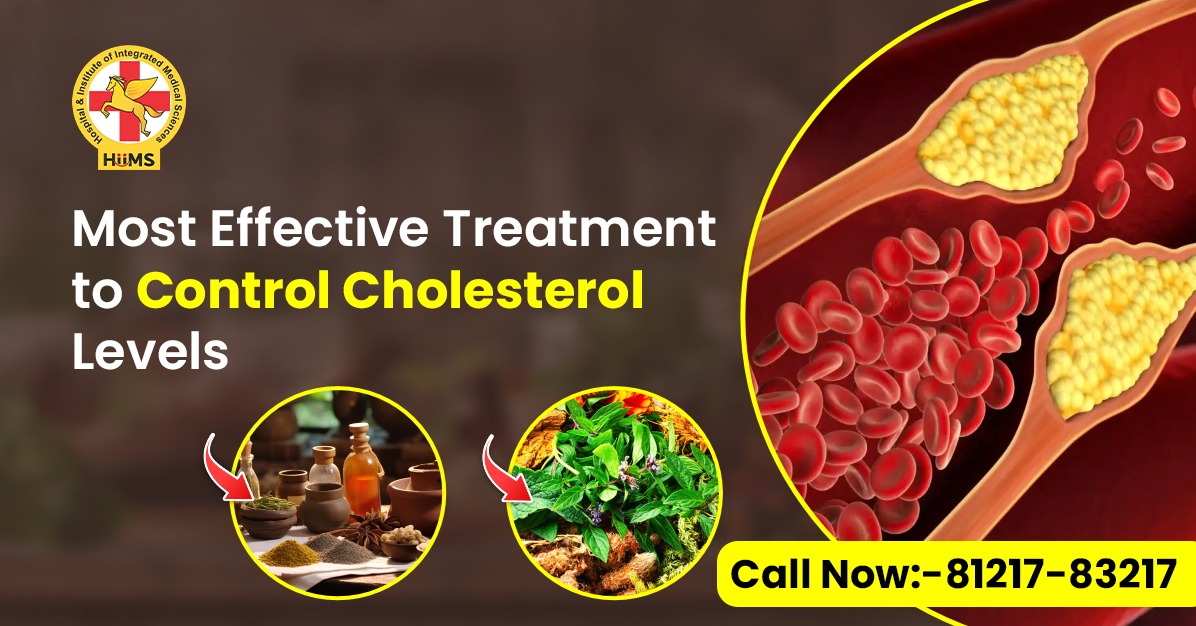
Cholesterol is a fatty substance present in your blood. Your body needs it in a certain amount, but when the level increases, it starts creating problems. There are two main types people usually talk about. LDL is considered bad because it can build up inside your arteries. HDL is considered good because it helps remove extra cholesterol from the blood. When LDL levels increase over time, it can slowly affect blood flow. The issue is that this happens quietly, without giving early warning signs.
What Causes Cholesterol to Increase?
In daily life, cholesterol usually increases because of a combination of habits. Eating patterns play a big role. Regular intake of fried food, processed snacks, and heavy dairy products can slowly raise cholesterol levels. It does not happen suddenly, but it builds up over time.
Lack of movement is another major factor. Sitting for long hours, minimal physical activity, and a sedentary routine affect how your body manages fats. Weight gain, even if it is gradual, can disturb the balance. Smoking and alcohol also add to the problem. Sometimes stress and poor sleep quietly contribute without you even realizing it.
What Does It Feel Like?
This is where things get tricky. High cholesterol usually does not show clear symptoms. Most people feel completely normal. No pain, no discomfort, nothing that clearly signals a problem.
In some cases, people may feel heaviness or slight fatigue, but these are not reliable signs. That is why many people only discover it during routine blood tests.
How Do Doctors Check It?
Doctors usually recommend a blood test called a lipid profile. This test checks total cholesterol, LDL levels, HDL levels, and triglycerides. Based on the results, along with your lifestyle and medical history, a cholesterol doctor or cholesterol specialist suggests the next steps.
What Is the Most Effective Treatment to Control Cholesterol Levels?
There is no one-size-fits-all way that is guaranteed to work. The most effective form of treatment is when several approaches are combined.
1. Cholesterol Diet That Actually Helps
Food plays a direct role in cholesterol levels. Reducing saturated fats like fried food and heavy dairy helps lower LDL. Avoiding trans fats found in packaged snacks is equally important.
Adding fiber-rich foods like oats, fruits, and vegetables helps reduce cholesterol absorption. Foods rich in healthy fats like nuts and seeds also support balance.
2. Daily Movement and Activity
Regular physical activity helps increase good cholesterol levels. You do not need intense workouts. Taking a simple walk for just 30 minutes daily will make a lot of difference.
Simple measures such as climbing up the stairs, walking after taking meals, and being physically active throughout the day will boost one’s body coordination.
3. Maintaining an Appropriate Body Weight
Losing some amount of weight could lower one’s cholesterol levels. This does not involve stringent diets but entails taking up a consistent and practical plan.
4. Other Lifestyle Factors to Consider
Smoking alters the manner in which your body manages cholesterol; therefore, quitting could lead to improvement in your overall heart health. Additionally, drinking too much alcohol should be reduced. Rest and stress reduction tend to be overlooked but play a significant role in regulating internal processes.
5. Consistency Over Quick Fixes
While it is understandable that many people would prefer quick solutions, maintaining a healthy level of cholesterol requires effort over a period of time.
How Jeena Sikho HiiMS Approaches Cholesterol Treatment
Regarding the problem of your high cholesterol, they not only focus on the figures that appear on your report card. Rather, they try to understand the cause of the elevated cholesterol level and learn how to control cholesterol. It all starts with the patient being thoroughly examined for their lifestyle, diet, and general well-being.
A customized cholesterol diet plan regarding the reduction of the patient’s cholesterol level is then designed in a manner that is easy and manageable. This would include improving sleep, physical activities, and stress levels.
Support can also be provided through Ayurveda according to the requirements of the person, which will aid in achieving a harmonious body system. Detoxification therapy can also be recommended when needed to eliminate imbalances from within the body.
When Should You See a Cholesterol Doctor?
You should consider consulting a Jeena Sikho HiiMS doctor or cholesterol specialist if:
Your reports show consistently high cholesterol.
You have a family history of heart disease.
You have conditions like diabetes or high blood pressure.
You experience chest discomfort or unusual fatigue.
Early attention helps prevent complications later.
Conclusion
It’s not about setting yourself on a diet plan for several days. Rather, it’s about making minor changes to improve your quality of life and stick with it.. A balanced cholesterol diet, regular movement, and better lifestyle habits slowly start improving your internal balance.
If you feel unsure about where to begin, getting proper guidance can make things easier. Jeena Sikho HiiMS experts at VOPD or care@jeenasikho.com will assist you in knowing a more structured and practical approach to handling your cholesterol issues and controlling cholesterol.
Book your VOPD today.
FAQs
1. Can cholesterol be managed without medication?
Most of the time, by making some changes in your lifestyle and maintaining a proper cholesterol diet, you can handle this issue.
2. How soon can I lower my cholesterol?
It usually takes weeks to months.
3. Do I have to take medications for high cholesterol?
It depends upon the level of cholesterol in your body.
4. Who is the best doctor for controlling cholesterol?
A cholesterol doctor or cholesterol specialist can assist you with it after analyzing your reports.
5. Does exercise play an important role in cholesterol management?
Regular exercises contribute to improving good cholesterol