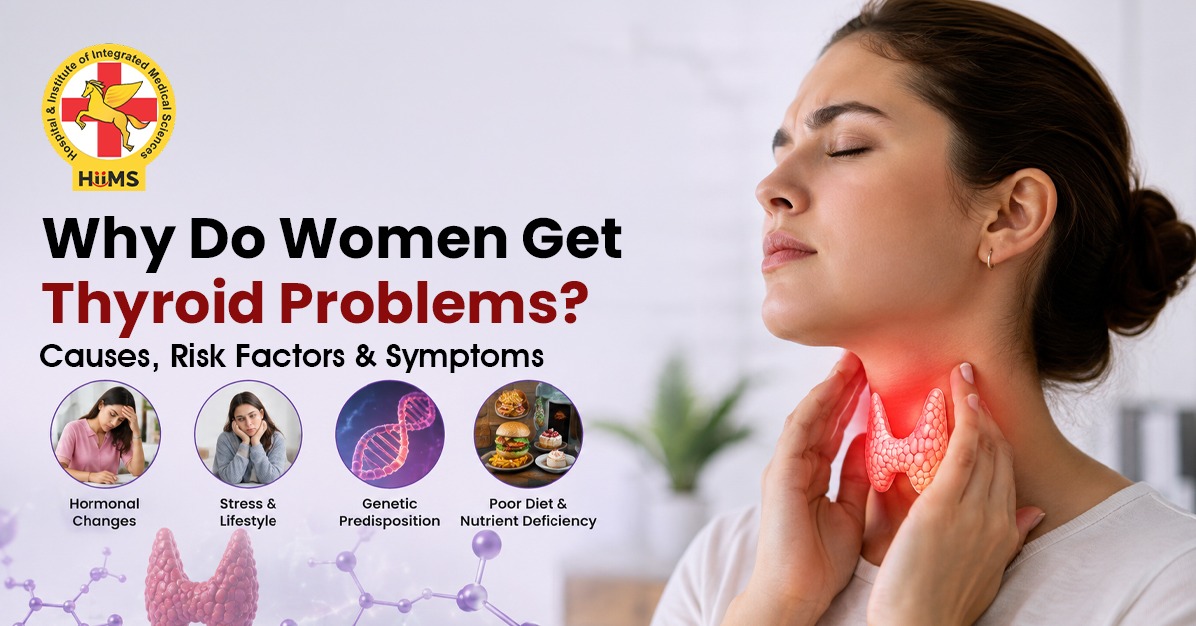
Thyroid disorders are among the most common health challenges women face today. The thyroid is a small, butterfly shaped gland sitting at the front of your neck. Despite its tiny size, it produces hormones that control your metabolism, energy levels, body temperature, weight and menstrual cycle. When this gland slows down or speeds up too much, it throws your entire body out of balance.
Medical studies show that women are five to eight times more likely than men to develop a thyroid condition. Why does such a significant gender gap exist? Understanding the biological triggers and identifying the primary causes of thyroid in female health is the first step toward reclaiming your energy, vitality, and hormonal balance.
Why Are Women More Vulnerable?
Women carry a much higher risk of thyroid issues primarily because of their unique biology and complex hormonal system. Thyroid gland relies on delicate chemical signals to regulate metabolism even subtle shifts in the body of a woman can disturb this balance. Understanding why this vulnerability exists helps clear the path toward better preventive care and holistic recovery.
Estrogen and Thyroid Interplay
Estrogen and thyroid hormones work closely together inside your body. When estrogen levels rise or swing wildly during menstruation, pregnancy, or menopause, it alters the amount of thyroid hormone available in your bloodstream. High estrogen levels can bind up free thyroid hormones making them less available for your body to use.
A Sensitive Immune System
Women generally have a more active immune response than men. While this protects against many infections, it also makes women far more susceptible to autoimmune conditions. In an autoimmune response, your immune system mistakenly identifies healthy tissue like your thyroid gland as a foreign threat and starts attacking it.
Major Life Transitions
A woman's body goes through significant hormonal shifts during puberty, pregnancy, the postpartum period, perimenopause and menopause. Each of these life stages creates a window of vulnerability where metabolic stress can trigger thyroid inflammation or dysfunction.
Primary Causes of Thyroid in Female Health
Thyroid dysfunction rarely happens without an underlying reason. Several interconnected factors usually trigger the condition
Autoimmune Disorders
Autoimmune diseases represent the leading causes of thyroid in female patients across all age groups.
Hashimoto’s Thyroiditis: Your immune system attacks the thyroid gland, destroying its cells over time. This reduces hormone production and leads to an underactive thyroid (hypothyroidism).
Graves’ Disease: The immune system overstimulates the gland forcing it to produce far too much hormone and creating an overactive thyroid (hyperthyroidism).
Reproductive and Hormonal Shifts
Major fluctuations in estrogen and progesterone directly influence thyroid performance making hormonal transitions key causes of thyroid in female health issues. Conditions like Polycystic Ovary Syndrome (PCOS) and post-childbirth adjustments frequently cause temporary or permanent thyroid inflammation, known as postpartum thyroiditis.
Chronic Stress
When you face long term physical or emotional stress, your adrenal glands produce excess cortisol. High cortisol levels slow down communication between your brain and thyroid gland while also blocking your body from converting inactive thyroid hormone into its active form.
Poor Gut Health
Digestive health is tightly linked to your endocrine system. Poor digestion creates metabolic waste and damages the gut lining. This lets undigested food particles enter into the bloodstream which triggers inflammation and disturb thyroid function.
Genetic Susceptibility and Nutrient Deficiencies
If your mother or sister has a history of thyroid issues, your chances of developing one are significantly higher. Additionally missing key nutrients like iodine, selenium, zinc, and iron deprives your thyroid of the raw materials it needs to make hormones.
Key Symptoms: Hypothyroidism vs. Hyperthyroidism
Depending on whether your thyroid is underactive or overactive, your symptoms will look very different.
Hypothyroidism Symptoms
Gaining weight easily despite eating normally along with difficulty losing it.
Waking up tired, experiencing heavy brain fog and feeling exhausted throughout the day
Constantly feeling cold especially in your hands and feet even in warm environment.
Abnormally heavy, painful or prolonged menstrual cycles.
Dry skin, brittle nails, severe hair fall, and puffiness around the eyes and face.
Hyperthyroidism Symptoms
Dropping weight quickly without any changes to your diet or exercise routine.
Feeling jittery, irritable, nervous, or having trouble sleeping at night.
Sweating excessively and feeling uncomfortable in mild or warm weather
Very light menstrual flows, irregular timing or missed cycles altogether.
Fast or fluttering heartbeats, fine hand tremors, muscle weakness and bulging eyes.
Risk Factors & Trigger Events
While any woman can develop a thyroid issue certain circumstances raise the risk significantly.
Age: Women between the ages of 30 and 50 are most frequently diagnosed.
Recent Childbirth: Giving birth within the last 12 months increases the risk of postpartum thyroid inflammation
Pre-existing Autoimmune Issues: Having conditions like Type 1 diabetes, celiac disease, or rheumatoid arthritis raises your vulnerability
High Stress and Poor Sleep: Prolonged emotional stress combined with lack of rest weakens both immune and glandular health.
Environmental Toxins: Exposure to heavy metals, pesticides and endocrine-disrupting chemicals found in daily plastics can disrupt thyroid signalling.
Ayurvedic Approach for Thyroid Treatment
For many women, taking a daily hormone pill only manages symptoms without addressing why the gland slowed down in the first place. This is why many seek an integrative path. Hospitals like Jeena Sikho HiiMS Meerut focus on restoring the body’s natural balance through gut cleansing, anti-inflammatory plant diets, and herbs.
Under the guidance of a thyroid doctor or thyroid specialist, this approach combines Ayurvedic therapies with naturopathy and stress-reduction techniques to help lower systemic inflammation. Ultimately, effective long-term thyroid treatment isn't just about replacing missing hormones, it is about fixing the underlying digestion and immune triggers so your gland can recover naturally.
Conclusion
The hormones, immune responses, stress and lifestyle habits make thyroid issues particularly common in women. Experiencing symptoms like chronic fatigue, mood shifts, or weight changes is not something you simply have to accept as normal.
By recognising the underlying causes of thyroid in female biology, clearing internal toxins, and balancing your diet, you can restore natural harmony to your endocrine system. You can book a HiiMS VOPD (video consultation) to consult a Jeena Sikho HiiMS Meerut expert thyroid doctor online. Early evaluation and root-cause care make long term thyroid health entirely achievable.
FAQs
1. What does holistic thyroid treatment involve?
Ayurvedic thyroid treatment focuses on purifying the body with detox therapies, pH balancing diet, managing stress and using herbs to restore natural balance.
2. What are the leading causes of thyroid in female health?
Major reproductive hormonal shifts (pregnancy or menopause), prolonged emotional stress, auto-immune conditions and metabolic toxin buildup are the most common causes.
3. Can thyroid problems cause fertility issues in women?
Yes. Imbalanced thyroid hormones can disrupt ovulation which cause irregular menstrual cycles and make conception more difficult if left unmanaged.
4. When should a woman consult a qualified thyroid doctor?
You should see a thyroid doctor if you experience persistent fatigue, sudden weight shifts, unexplained hair fall or irregular periods that do not improve with basic lifestyle changes.
5. How does a thyroid specialist diagnose the root cause of an imbalance?
A thyroid specialist evaluates comprehensive blood reports along with digestive health, sleep patterns, and stress levels to determine the underlying cause.