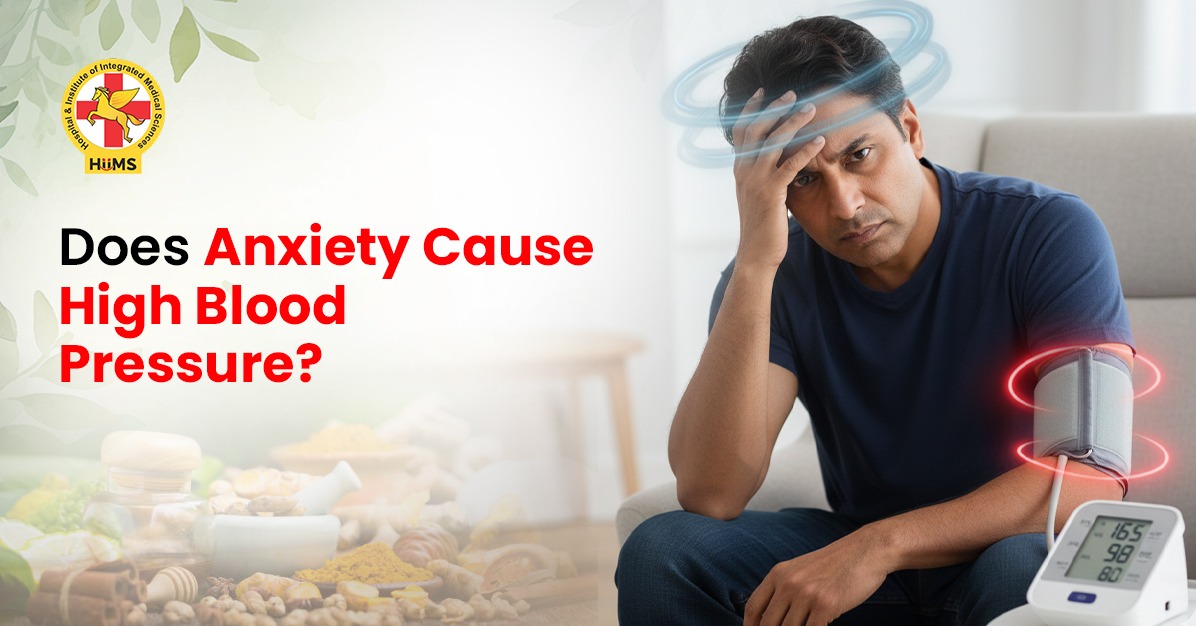
There are days when your thoughts start running faster than you expect, and the body feels a little slow trying to keep up with all of it. You try to stay calm, but your thoughts keep jumping from one worry to another, and even the smallest thing feels strangely heavy. Many people don’t notice how quietly this happens, and before they know it, the stress of daily life starts showing up inside the body too.
One such connection people often talk about is the link between anxiety and rising blood pressure. It may sound surprising at first, but when you look closely, the body reacts to worry in its own ways. This is where understanding anxiety causes becomes important, because things happening in the mind don’t stop at the mind. They travel through the whole system.
So in this blog, we discuss mainly how anxiety affects BP, the myths people believe, and what simple, natural steps support calmness and balanced health.
Understanding Anxiety: What Actually Happens Inside the Mind
Anxiety generally starts quietly, almost without you noticing it. It starts with small triggers like an intense day, emotional pressure, or the feeling of losing control. With time, all those little moments add up, and the mind begins to feel pressure much quicker than before. This is where anxiety causes become clearer, because lifestyle habits, irregular sleep, constant screens, and emotional patterns stretch the mind beyond comfort.
The diagnosis of identity anxiety is through patterns of behaviour, restlessness, and physical changes, but the experience itself is deeply personal and different for everyone.
What Happens to Blood Pressure During Anxiety?
When the body senses fear or stress, the “fight-or-flight” response switches on. The heart starts beating faster, blood vessels tighten, and breathing becomes quick for a moment. All of this pushes blood pressure up temporarily.
This is why many people notice strong heartbeats or warm sensations during stressful moments, which is a typical reaction of anxiety and blood pressure interacting together in the body. These spikes settle once the mind relaxes, but repeated stress can make the system feel constantly alert.
Can Anxiety Lead to Long-Term High Blood Pressure?
Temporary spikes are common, but the concern rises when these incidents repeat over and over. Over time, the heart and vessels feel the strain. Poor sleep, irregular meals, emotional eating, and a lifestyle without physical movement also add up.
Many people don’t realise how these indirect habits slowly create a space where both anxiety and hypertension grow side by side. This is another point where anxiety causes reflection on how deeply mind and body influence each other.
Common Myths & Facts About Anxiety and Blood Pressure
Myth 1: Anxiety only affects emotions.
Fact: But the fact is that long instances of worry affect the heart, digestion, immunity, and sleep patterns.
Myth 2: High BP always shows signs.
Fact: Hypertension usually stays silent until it reaches a major danger level.
Myth 3: Stress alone causes hypertension.
Fact: It usually develops from mixed factors like bad routine, diet, emotions, and genetics.
Ayurveda’s View of Why Anxiety and BP Rise Together
In Ayurveda, the mind and heart share a close space. When Vata becomes disturbed, thoughts move too quickly, leading to fear, restlessness, and emotional instability. When Pitta rises, heat, irritability, and pressure tendencies increase.
These imbalances slowly reflect in BP readings. Ayurveda explains that stability in the mind naturally supports the heart, which is why grounding habits matter so much.
How to Control Anxiety Naturally
People often wonder how to control anxiety without making big lifestyle changes, and the answer usually lies in smaller steps. Having a stable sleep routine, lighter dinners, fresh and hot homemade meals, fewer screens at night, and moments of quietness help calm the mind. These rhythms reduce unnecessary pressure on the body and give it a chance to settle.
Mind-Body Techniques That Support Heart & Mind Balance
A few minutes of deep breathing relaxes the nervous system almost instantly. Gentle stretches or yoga movements help release stiffness stored in the body.
Slow barefoot morning walks on green grass, sunlight exposure, and short mindfulness practices reduce sudden spikes related to anxiety and blood pressure. These methods seem simple, but their slow impact becomes noticeable over weeks.
Ayurvedic Approaches That Help Manage Anxiety & BP Together
Ayurveda uses supportive methods that calm the mind and soothe the nerves. Like Shirodhara, Shiropichu, and Shirobasti are some good therapy for anxiety; grounding practices and herbs known for their cooling or stabilising nature can be part of this approach.
At Jeena Sikho HiiMS, individuals experience traditional practices that help bring relaxation and a sense of balance. These therapies don’t force the body; they gently guide it toward calmness, which naturally affects BP stability too.
Healthy Daily Habits to Prevent Anxiety-Related BP Spikes
Eating balanced meals, staying hydrated, reducing caffeine, taking short breaks during long tasks, and spending at least a little time outdoors each day help the body breathe better.
These habits lower the intensity of sudden worry, giving space for emotional and physical balance.
How Jeena Sikho HiiMS Supports Holistic Care for Mind & Heart
Jeena Sikho HiiMS focuses on natural and gentle healing methods where the mind and body are treated as one. The calm environment, personalised guidance, and supportive routines help individuals feel lighter. Many people trust this holistic care because it works without disturbing the body's natural rhythm.
Conclusion
The connection between the mind and the heart is stronger than most people notice. Once you understand Anxiety Causes and how they influence blood pressure, it becomes easier to take mindful steps every day.
Simple routines, natural approaches, and emotional awareness slowly build long-term balance. With patience and the right guidance, calmness becomes easier to hold on to, and the heart feels the difference, too.
For natural guidance, reach Jeena Sikho HiiMS Hospital Navi Mumbai at +91 82704-82704 or write to care@jeenasikho.com.
FAQs
1. What is the connection between anxiety and blood pressure?
The link between anxiety and blood pressure comes from the body’s stress response, which temporarily increases heart rate and pressure.
2. How to control anxiety in simple daily life?
Following grounding habits and steady routines helps in how to control anxiety naturally.
3. Why do BP spikes happen during stress?
They occur because stress hormones tighten vessels and speed up the heart, creating pressure inside the system.
4. What is considered a natural therapy for anxiety?
A therapy for anxiety often includes breathing work, calming activities, or gentle mind-body practices. Along with ayurvedic therapies like Shirodhara, Shiropichu and Shirobasti.
Regular routines, mindful eating, and grounding therapy (barefoot walking on green grass) support calmer emotional reactions and steadier BP.