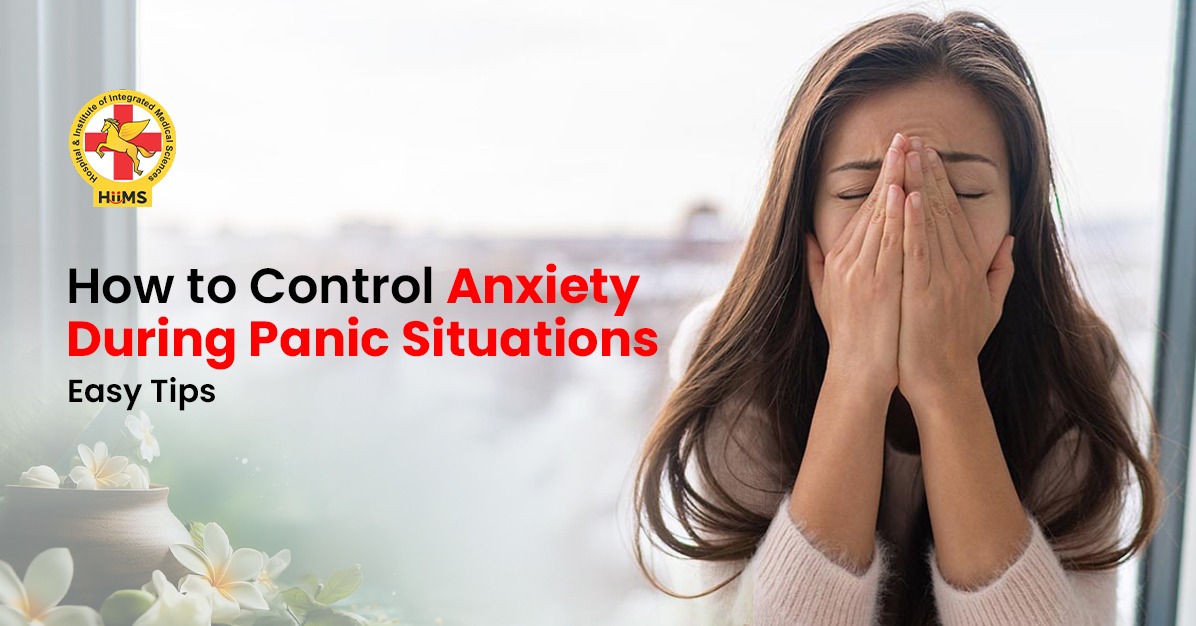
There is a moment during anxiety when everything suddenly feels too much. Your heart starts racing, breathing feels uneven, thoughts become loud, and it feels like you are losing control. Even if you know it is anxiety, in that moment, it does not feel simple. It feels real, intense, and hard to manage.
Most people search for how to control anxiety only after they experience this kind of panic situation. And the truth is, there is no single switch to turn it off instantly. But there are ways to handle it better so it does not take over completely.
If you have ever felt stuck in that loop of panic and confusion, this blog is for you. Not theory, just practical steps you can actually use for anxiety treatment and over time to feel more in control.
What Happens During Anxiety or Panic
Anxiety is your body’s response to a sense of danger. During a panic situation your heart rate increases, breathing may become either fast or get slower, your muscles tightens and your thoughts become overwhelming. Even though there is no real danger, the body reacts as if there is.
Why Panic Situations Feel So Intense
Panic attacks often feel sudden, but they usually build up. Common triggers include:
Stress and overthinking.
Lack of sleep.
Too much caffeine.
Emotional overload.
Irregular routine.
When these build up, the body reacts all at once.
Easy Tips to Control Anxiety in the Moment
Now coming to the question of how to control anxiety. These are practical panic attack relief tips you can actually use when anxiety hits.

1. Slow Down Your Breathing
Breathing exercises for anxiety is the fastest way to calm your body. Try this:
Inhale slowly for 4 seconds.
Hold for 4 seconds.
Exhale for 6 seconds.
Repeat this for a few minutes. This helps bring your nervous system back to balance.
2. Ground Yourself in the Present
When anxiety rises, thoughts go out of control. Bring your focus back by noticing:
5 things you can see.
4 things you can touch.
3 things you can hear.
This helps break the panic cycle.
3. Do Not Fight the Feeling
Trying to stop anxiety instantly often makes it worse. Instead, accept it for a moment. Remind yourself that it will pass. This reduces the intensity gradually.
4. Move Your Body Slightly
Even the small movements help, like walking, stretching arms, and changing your position. Movement releases built-up tension.
5. Keep Your Body Hydrated
Sometimes dehydration increases discomfort. Take small sips of water to help your body settle.
Natural Support for Anxiety
In addition to lifestyle changes, there are other support options that people find helpful. One such option is Somni Veda Calm Capsules, considered to be the best medicine for anxiety.
How It Helps
Helps calm the mind.
Supports better sleep.
Reduces restlessness.
How to Use
1-2 capsules at bedtime or as directed.
Typically used before bedtime or as directed.
Where to Get It
You can get it at the official Jeena Sikho store https://store.jeenasikho.com/products/somni-veda-calm-capsules-relaxation-sleep-support?utm_campaign=product_redirect&utm_medium=website&utm_source=hiims which makes it convenient for you to incorporate it into your lifestyle.
This is not meant to replace anxiety therapy or medical care but can complement your day-to-day routine as well as your anxiety treatment.You can book an appointment with our Ayurveda expert for a better understanding.

When Should You Seek Help
You might consider seeking professional help if:
Panic attacks occur often.
Anxiety interferes with day-to-day life.
Sleep is disturbed regularly.
You feel overwhelmed often.
Getting help early makes things easier to manage.
Conclusion
The anxiety that you feel during panic situations is overwhelming, yet you are not losing control. By using simple techniques like breathing, grounding, and developing a routine, you can learn how to manage anxiety. The goal is not to remove anxiety completely, but to respond to it in a calmer way. If you need guidance on how to control anxiety, you can opt for a VOPD consultation and take a step toward better mental balance.

FAQs
1. How to control anxiety quickly during a panic attack?
Slow breathing and grounding techniques can help calm the body.
2. What are the best anxiety treatments?
A combination of therapy, lifestyle changes, and relaxation methods works best.
3. Can breathing exercises reduce anxiety?
Yes, they help calm the nervous system effectively.
4. Is anxiety curable permanently?
It can be managed well with the right approach and consistency.
5. When should I seek help for anxiety?
If it starts affecting daily life or becomes frequent, it is better to consult a professional.