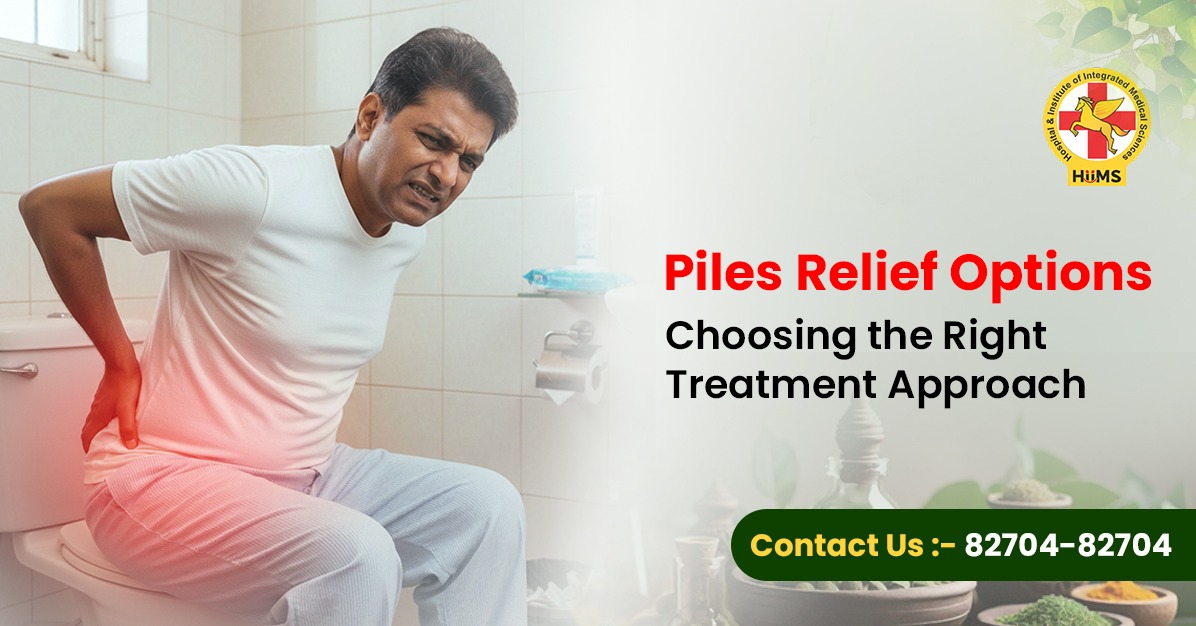
Piles is a common problem, but people hesitate to talk about it. Pain while sitting or bleeding during the toilet is often ignored in the beginning. Many feel it will settle on its own, but slowly the condition becomes worse.
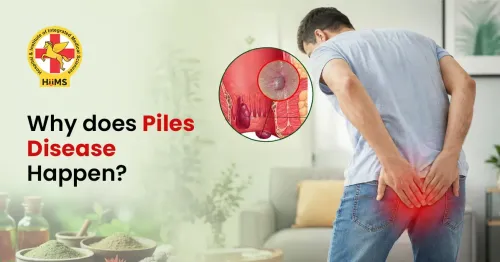
Piles happens when veins near the anus get swollen. This mostly happens due to constipation and pressure during bowel movement. Sitting for a long time also adds to the problem. The good thing is piles can be treated. There are different ways of Piles treatment, and not everyone needs surgery. Knowing the symptoms and causes helps a person choose the right treatment early, before the condition becomes serious, especially with expert care available at HiiMS Navi Mumbai Hospital.
Key Symptoms Seen in Piles
Symptoms of piles are not same in every person. Some people feel mild discomfort only. Some feel pain every day.
Common symptoms noticed are:
Pain or burning near anus, mostly during toilet
Bleeding while passing stool
Itching or wet feeling around anus
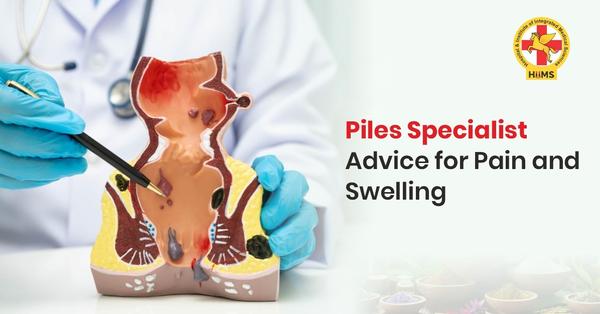
Swelling or small lump near anus
Feeling that stomach is not fully cleared
Sometimes bleeding is painless. Sometimes pain comes without bleeding. Both situations need attention.
Main Reasons Behind Piles
There is no single cause. Piles usually develops due to daily habits.
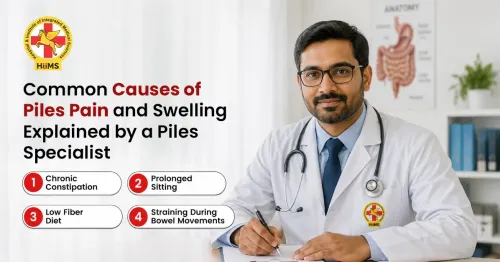
Main causes of piles include:
Long-term constipation
Passing hard stool again and again
Sitting too long, especially office work
Eating less fibre food
Drinking very less water
Pregnancy pressure
Overweight body
Straining during toilet
These causes increase pressure in rectal veins. Over time swelling forms and piles starts.
Understanding Piles Treatment Options
There are many Piles treatment options available today. Treatment depends on how old the piles is and how serious symptoms are.
In the early stage, medicines, diet changes and lifestyle correction works well. Many patients get relief with Non-surgical treatment for piles if started on time. Surgery is usually kept for advanced cases only. It is always better to try methods that heal digestion and stool movement first.
Ayurvedic Treatment Approach for Piles
Ayurveda looks at piles as a digestion problem, not just a local swelling. Treatment is done to improve bowel movement and reduce pressure.
Ayurvedic Piles treatment uses internal medicines, therapies and food correction together. Relief may be slow, but it stays longer. The aim is to stop bleeding, reduce pain and prevent piles from coming again. Treatment plan depends on body type and habits.
Common Ayurvedic Therapies Used
Some therapies are widely used in piles care under doctor supervision.
Basti Therapy:
In this therapy, herbal oil or liquid is given through enema. It helps soften stool and lubricate the colon. Constipation reduces slowly. Burning and irritation also reduce.Kshar Sutra Therapy:
Here a medicated thread is tied to pile mass. The pile dries and falls off slowly. Many people prefer this because it is simple and recovery is smooth.Herbal Medicines:
Herbs like Triphala and Haritaki help digestion and stool movement. They also help control bleeding and swelling.
Diet and Daily Habits for Piles Management
Medicines alone are not enough. Food and routine matter a lot.
Helpful diet habits:
Eat fruits like apple, banana, pear
Include green vegetables daily
Eat whole grains if possible
Drink warm water through the dayAvoid spicy and fried food
Helpful lifestyle habits:
Walk for some time after meals
Avoid sitting long hours continuously
Practice Malasana for bowel movement
Ashwini Mudra improves local blood flow
Pavanmuktasana helps gas and constipation
These steps support long-term Piles management methods.
Care for Other Health Conditions Also
At Jeena Sikho HiiMS, doctors do not look at piles alone. They also treat other health problems such as cancer, liver disease, heart issues, infertility and jaundice. This is helpful for patients who have piles and other health issues.
Conclusion
Piles should not be ignored. Bleeding, pain or swelling near anus is not normal and needs checking. Early treatment gives better relief and avoids surgery in many cases. Waiting too long usually increases discomfort.
If you are looking for proper Piles treatment, it is better to consult doctors who explain treatment clearly and guide patiently. With correct diagnosis, right treatment and small changes in food and routine, piles can be managed well. Regular follow-up with the doctor is also important. Some people stop treatment early when pain reduces. It is better to complete the advised course and continue healthy food habits for lasting relief. Book an appointment today - take action early and avoid unnecessary suffering.
FAQs
Is piles a serious disease?
It is not life-threatening but should be treated early.Can piles be cured without surgery?
Yes, many cases respond well to non-surgical treatment.Does Ayurveda help in piles?
Yes, Ayurvedic treatment helps digestion and bowel movement.What food should be avoided in piles?
Spicy, fried and junk food should be avoided.Can piles return again? Yes, if constipation and habits are not corrected.