Piles disease is one of those health problems that many people quietly deal with for a long time before they finally speak about it. The discomfort may start small, maybe a little itching, a bit of bleeding, or some pain while passing stool, and because it feels personal, people often keep ignoring it. But piles do not appear without a reason.
In most cases, the problem grows slowly from everyday habits such as constipation, sitting too long, not drinking enough water, or pushing too hard during bowel movement. That is why understanding the cause is so important. When the reason is clear, the condition becomes easier to manage, and the fear around it also reduces.
In this blog, we will look at what piles really are, why they happen, how they show up in the body, and when simple care is not enough anymore.
What Is Piles Disease?
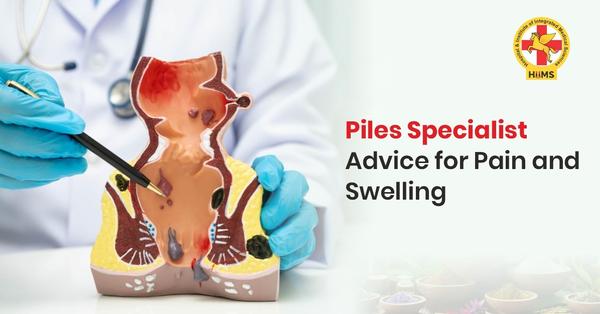
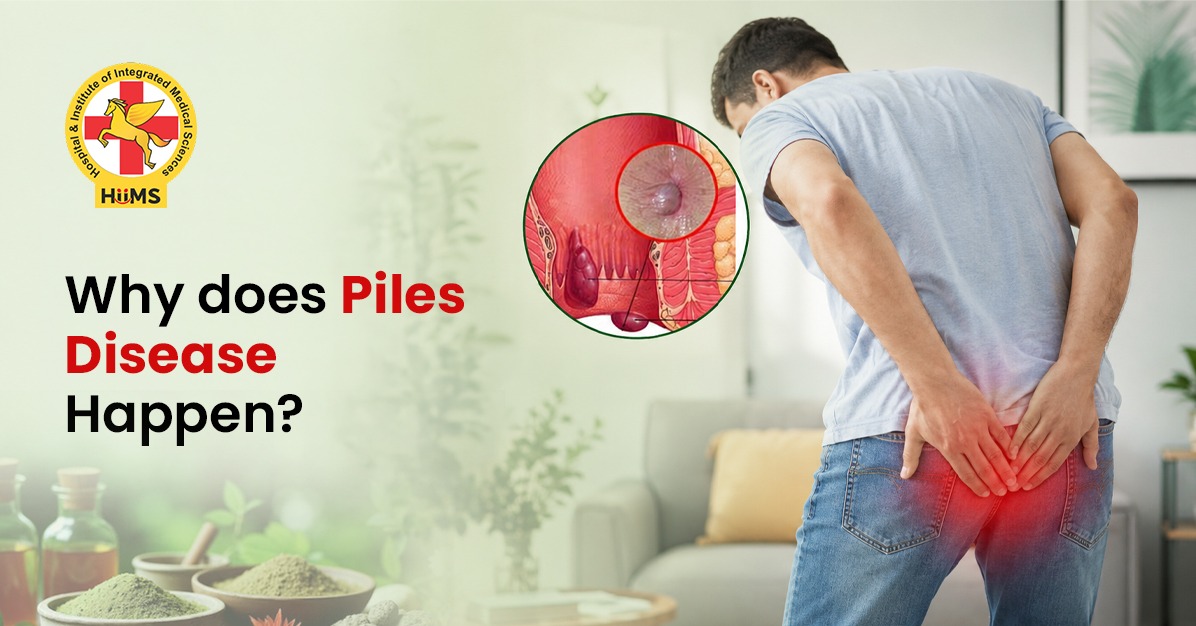
Piles are swollen veins in the lower rectum or around the anus. They may stay inside the rectum or come out as a soft lump near the anus, and both situations can cause discomfort in daily life. Some people notice them only after bleeding or irritation starts, while others feel pain during sitting or while going to the toilet.
The condition may look small in the beginning, but if the pressure keeps building, piles disease can slowly become more problematic. This is why people often search for how to piles cure after the problem has already started affecting their routine.
Why Does Piles Disease Happen?
The real reason behind piles is pressure. When the veins around the anal area are forced to carry extra strain again and again, they swell and become weak. This pressure does not always come from one big event, it often builds over time through routine habits.
A person may not notice the damage at first, but repeated straining, poor digestion, and long sitting hours can quietly create the condition. In many cases, piles disease starts with constipation and ends with pain, bleeding, or swelling that no longer feels easy to ignore.
Common Causes of Piles Disease
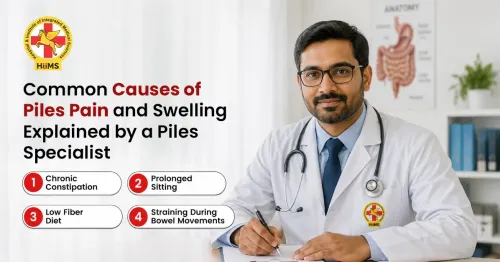
Constipation and Straining During Toilet Time
Constipation is one of the strongest reasons behind piles. When stools become hard and dry, a person naturally pushes harder to pass them. That extra pressure affects the veins in the rectal area and slowly causes swelling. If this keeps happening, piles disease can develop or get worse, especially when the person does not change eating habits or water intake.
Low-Fibre Diet and Poor Eating Habits
When the food plate lacks fruits, vegetables, and whole grains, the digestive system often becomes slow. Stools lose softness, bowel movement becomes difficult, and the body needs more effort to clear waste. Many people ask how to piles cure, but the first answer often starts with what goes on the plate every day. Better food choices can reduce pressure before it turns into a bigger problem.
Sitting Too Long Every Day
Long hours sitting in a chair can be a trigger. Office work, driving, and very inactive routines reduce movement in the lower body and make blood circulation slower than it should be. Over time, this can add to the pressure around the rectal veins. People with desk jobs often do not connect this habit with piles treatment without surgery, but lifestyle correction helps a lot.
Not Drinking Enough Water
Water helps soften stool and supports easier bowel movement. When the body stays low on water, stools become dry and hard, and the effort needed to pass them increases. This small habit can make a big difference over time, especially for people who already struggle with digestion.
Obesity and Extra Body Weight
Extra weight can create pressure on the pelvic and lower abdominal area. That pressure may not feel severe every day, but it can still affect the veins around the anus and increase the risk of swelling. This is another reason piles disease becomes more common in people with sedentary lifestyles.
Pregnancy and Hormonal Changes
Pregnancy naturally increases pressure in the pelvic region. Along with that, hormonal changes may slow digestion and make constipation more likely. Because of this, piles often appear during pregnancy or become worse during that phase.
Heavy Lifting and Repeated Physical Strain
People who lift heavy loads often, whether at work or during exercise, may place repeated stress on the abdomen and rectal veins. Over time, that strain can add to the chance of piles, especially when the body does not get enough rest or proper bowel support.
Chronic Diarrhoea and Digestive Disturbance
Not only constipation, but frequent loose motions can also disturb the anal area. Repeated bowel movements may irritate the tissues and make the veins more vulnerable.
Early Signs of Piles Disease You Should Not Ignore
Bleeding during bowel movement is one of the most common signs, and it should never be brushed aside. Itching, burning, or irritation around the anus may also show up in the early stage. Some people feel a small lump or swelling near the area, while others notice pain while sitting for long hours.
Another sign is the feeling that the bowel has not fully emptied. These signs may look mild in the beginning, but they often point toward growing piles disease.
When Should You Visit a Piles Hospital?
A piles hospital becomes important when bleeding continues, pain starts increasing, or symptoms return again and again. It is also wise to seek help when daily activities become uncomfortable or when the problem does not improve even after changing food and routine.
Many people keep searching for how to piles cure on their own, but repeated symptoms deserve proper medical attention. In the right case, piles treatment without surgery may still be possible, depending on the stage and the person’s overall health.
Conclusion
Piles disease usually develops because the body keeps facing pressure in the same area for a long time. Constipation, low fibre intake, little water, sitting too much, pregnancy, weight gain, and heavy strain all play a part in this. The good thing is that piles often give early signs before they become severe, which means the body gives a warning if we are willing to notice it. Simple habits, timely care, and the right guidance can make a real difference.
For people looking for piles treatment without surgery, Jeena Sikho HiiMS offers expert support, and you can also choose VOPD (online video consultation) for your health issue with experienced doctors.

FAQs
1. What is the first reason behind piles disease?
The first reason is usually pressure on the veins around the rectal area, often caused by constipation and repeated straining.
2. Can piles happen because of sitting too much?
Long sitting can slow circulation and add pressure in the lower body, which may slowly contribute to piles.
3. What are the early signs that piles may be starting?
Bleeding, itching, swelling, discomfort while sitting, and a feeling of incomplete bowel movement are common early signs.
4. Is piles treatment without surgery possible in every case?
Many mild to moderate cases can improve without surgery, but the right approach depends on the stage and symptoms.
5. How to piles cure in a natural way?
A fibre-rich diet, enough water, regular movement, and proper bowel habits can help the body recover more comfortably.