Most people feel nervous before an exam, interview, or important occasion. But when the worry becomes part of everyday life and affects your sleep, work, or relationships, it should not be ignored. Many people do not realise that they are dealing with the anxiety. Understanding the types of anxiety disorders can help you spot the signs early and get the proper guidance.
At Jeena Sikho HiiMS, we believe that the emotional well-being is closely connected with the overall health. Ayurveda looks at the balance of the mind, body, and lifestyle rather than focusing only on the symptoms. Along with the proper medical evaluation, healthy daily habits, a balanced diet, yoga, and the natural wellness practices may help support the emotional balance.
In this blog, you will learn about the anxiety disorders, different types, common signs, possible reasons behind the anxiety, and simple ways to care for the mental well-being through an Ayurvedic lifestyle approach.
What is an anxiety disorder?
It is a condition in which fear, worry, or the nervousness becomes stronger than the expected and continues for a long time. These feelings may interfere with the daily activities, work, studies, or the relationships.
Unlike the temporary stress, anxiety disorders often continue even when there is no clear danger. It may affect your emotions as well as your physical health. Understanding 'What is an anxiety disorder?' can help you make the informed decisions.
Types of Anxiety Disorders
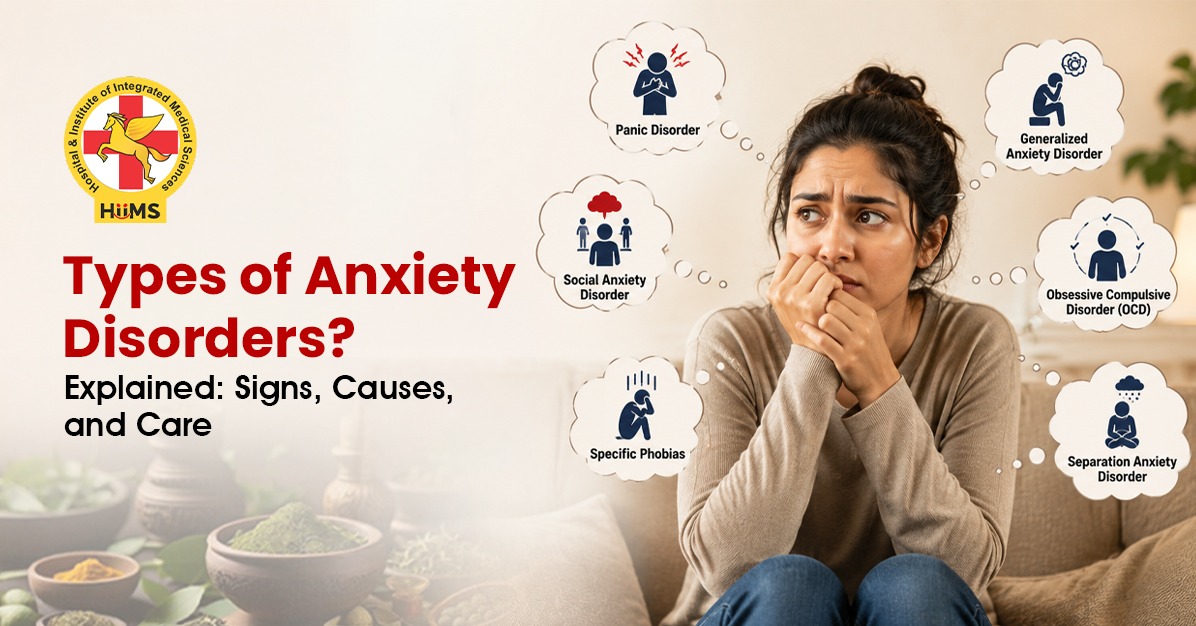
There are different types of anxiety disorders, and each one affects the people in different ways.
Generalized Anxiety Disorder (GAD)
People with the GAD experience ongoing worry about everyday situations such as health, family, work, or finances. The worry is difficult to control and may continue even without a major reason.
Panic Disorder
This condition involves the sudden panic attacks that cause the intense fear. A panic attack may cause a racing heartbeat, sweating, shaking, chest discomfort, or the difficulty breathing.
Social Anxiety Disorder
People with the social anxiety disorder feel intense fear in the social situations. They may avoid speaking in the public, meeting new people, or participating in the group activities because of fear of being judged.
Specific Phobias
A phobia is an extreme fear of a particular object, place, or the situation, such as heights, flying, animals, or injections. Even thinking about the trigger may cause anxiety.
Separation Anxiety Disorder
Although common in children, adults can also experience this condition. A person may feel the excessive fear when separated from the loved ones or worry that something bad may happen to them.
Learning about these types of anxiety disorders can help people understand that anxiety is not the same for everyone and that each condition needs the proper evaluation.
Symptoms of Anxiety Disorders
The symptoms of anxiety disorders can be emotional as well as physical. Each person may experience them differently. The common emotional signs include
Constant worry or fear
Feeling restless or unable to relax
Difficulty concentrating
Irritability
Feeling overwhelmed
The common physical symptoms of anxiety disorders include
Fast heartbeat
Sweating
Shaking
Muscle tension
Trouble sleeping
Shortness of the breath
Feeling tired even after rest
If these symptoms continue for the several weeks or begin affecting daily life, it is important to consult a healthcare professional for the proper assessment.
Causes of Anxiety Disorders
Many people wonder about the causes of anxiety disorders. Anxiety is not caused by just one reason. It often results from the several different factors.
Some of the common causes include,
Family history of the anxiety.
Long-term stress.
Traumatic experiences.
Major life changes.
Poor sleep habits.
Certain medical conditions.
Excessive caffeine or the alcohol use.
From an Ayurvedic point of view, mental well-being is linked with the balance of the body and mind. An unhealthy lifestyle, irregular eating habits, lack of sleep, and continuous stress may disturb this balance. At Jeena Sikho HiiMS, the focus is on understanding each person's health condition and encouraging the lifestyle changes that support the emotional wellness along with the professional medical guidance.
Ayurvedic Approach to Anxiety Care at Jeena Sikho HiiMS
At Jeena Sikho HiiMS, the Ayurveda focuses on improving the overall well-being instead of managing only the symptoms. It encourages the daily habits that help maintain the mental and physical balance. Some of the commonly recommended practices include,
Eating fresh and balanced meals at the regular times.
Following a consistent sleep schedule.
Spending time in the nature.
Practising gentle yoga & meditation for anxiety
Limiting the excessive screen time.
Using relaxation techniques to reduce the stress.
These simple lifestyle changes may support the better emotional health when followed consistently under the proper guidance.
Anxiety Treatment: When Should You Seek Help?
The right Anxiety Treatment depends on the individual's symptoms, overall health, and professional evaluation. Healthcare providers may recommend counselling, psychotherapy, lifestyle changes, relaxation techniques, or medicines when needed.
Ayurveda encourages a healthy lifestyle through the balanced meals, regular routines, yoga, meditation, and the stress management. However, anxiety should not be ignored if it starts affecting your daily life.
If your worries continue for weeks, become difficult to control, or interfere with work, relationships, or sleep, it is important to consult a qualified healthcare professional instead of trying to manage it alone.
Conclusion
Understanding the types of anxiety disorders can help you recognise the early warning signs and take timely steps toward the better mental well-being. Anxiety is a common health concern, and with the right guidance, healthy habits, and the professional support, many people learn to manage it effectively.
At Jeena Sikho HiiMS, we believe that Ayurveda supports the emotional wellness by promoting the balance in daily life through diet, routine, yoga, and mindfulness. If anxiety is affecting the quality of life, consider booking a VOPD consultation with our experts to receive the personalised Ayurvedic guidance from the comfort of your home. Early care and small lifestyle changes can make a meaningful difference over time.

FAQs
1. What is an anxiety disorder?
An anxiety disorder is a condition in which the ongoing worry or fear begins to affect the everyday life.
2. What causes anxiety disorders?
Anxiety disorders can develop because of the long-term stress, family history, difficult life experiences, certain health conditions, or the lifestyle habits.
3. Can children develop the anxiety disorders?
Yes. Anxiety disorders can affect both the children and adults.
4. Can lifestyle changes help manage anxiety?
Yes. Healthy eating, regular sleep, exercise, and stress management may support better emotional well-being.
5. Can Ayurveda support anxiety care?
Ayurveda focuses on balanced nutrition, daily routine, yoga, and the lifestyle practices that may support the emotional wellness.