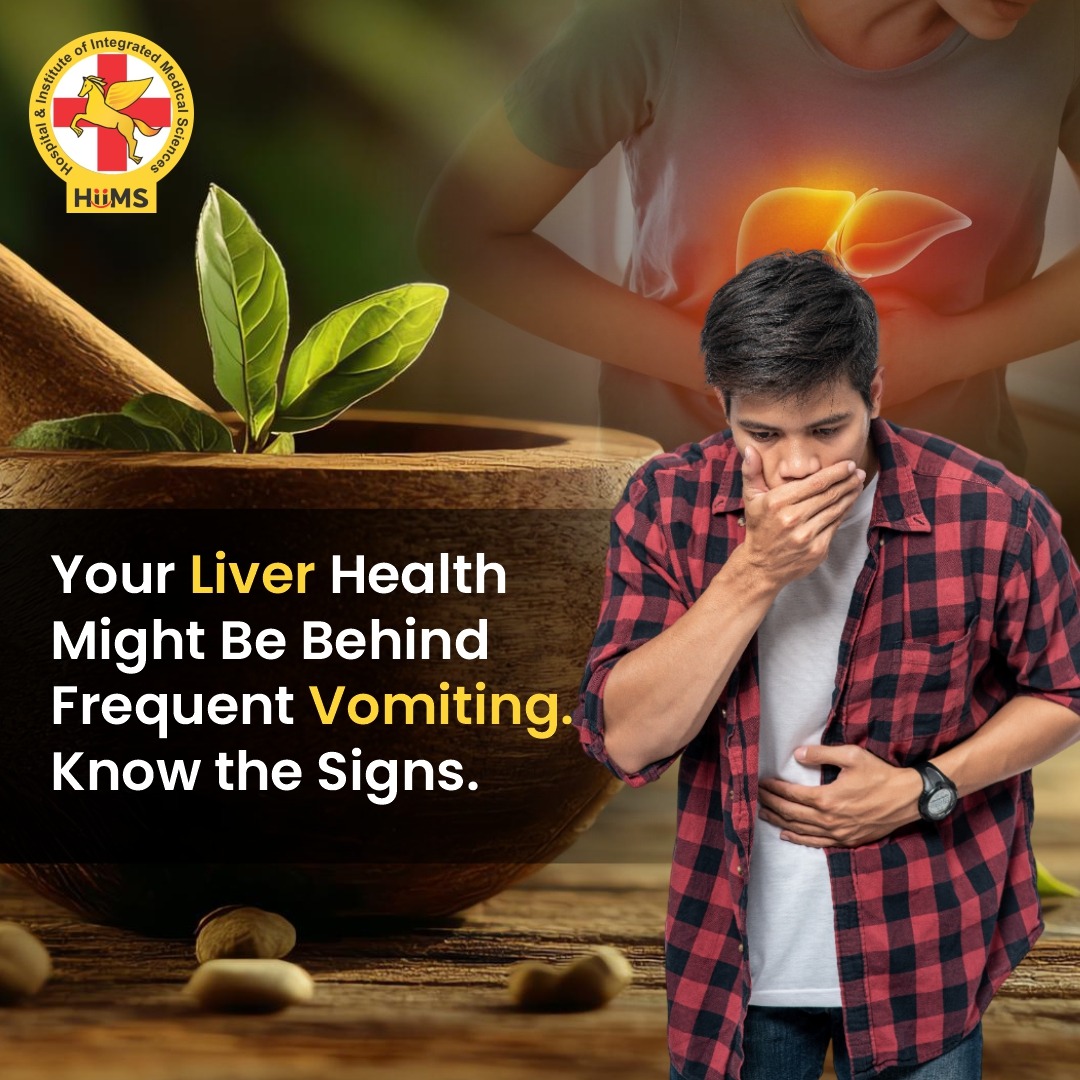
Vomiting After Meals? It May Be More Than Just Acidity—Check Your Liver
Vomiting after meals is usually disregarded as just acidity or indigestion. But what is your liver trying to tell you? The liver, sometimes referred to as the body's detox centre, plays a crucial role in digestion. Vomiting is one of the less evident but concerning ways that it might show up when it is overworked or damaged.
In case you often feel nausea or sickness after food consumption, particularly when consuming rich or oily food, it may signify you have liver problems after eating rather than just acidity. In this blog, we will become familiar with the connection between the liver and digestion, the symptoms to look out for, and how the HiiMS Navi Mumbai liver Protocol may help you regain balance.
Why is the Liver so Important in Digestion?
The liver produces a fluid known as bile, which assists in the digestion of fats. It also aids in the breakdown of nutrients and the removal of harmful substances. At a weakened state of liver function, the activity of the intestine deteriorates, causing such phenomena as bloating, indigestion, and postprandial vomiting.
This is why it is crucial to comprehend the connection between liver function and digestion. A poor liver is unable to digest the food, particularly fatty and protein foods, which means the sensation of nausea, acidity, or vomiting after a meal.
Difference Between Acidity and Liver Issues
Although excessive stomach acid is usually the source of acidity, chronic post-meal vomiting that is accompanied by exhaustion, yellowing eyes or skin, or abdominal pain may indicate more serious problems.
Acidity: Bloating, acidic burps, and a burning feeling in the chest.
Liver problems include upper right abdominal pain, nausea, vomiting, weakness, and changes in skin or eye colour.
Symptoms of Liver Diseases
The liver is usually a silent victim until it has become seriously compromised. When experiencing any of the following liver disease symptoms after a meal, do not disregard them:
Constant fatigue
Loss of faith in eating
Effects after eating: vomiting or nausea
Skin or eyes turning yellow (jaundice)
Dark-colored urine
Itchy skin
Abdominal swelling
This suggests a stronger correlation between digestive issues and liver health.
Root Causes of Liver Problems After Eating
Among the causes of liver problems after a meal, there are the following elements:
Obese or alcohol induced fatty liver disease
Viral infection such as Hepatitis
Consuming too much processed, spicy and oily food
Excessive use of drugs that destroy the liver
The absence of sleep, stress and sedentary problems are lifestyle factors.
The HiiMS Protocol
Chronic digestive concerns and liver-related problems are treated holistically at HiiMS (Hospital & Institute of Integrated Medical Sciences). To encourage healing, HiiMS combines Ayurveda, naturopathy, and food science under the direction of Acharya Manish Ji.
The DIP Diet (Disciplined and Intelligent Person's Diet), which naturally balances body systems, enhances digestion, and detoxifies the liver, is one of the most successful regimens followed here.
Meal Plan for the DIP Diet
According to Acharya Manish Ji, this diet emphasises seasonal, natural foods and appropriate timing:
Morning meal (7:00–9:00 AM)
Plate 1 shows three to five different seasonal fruit varieties (body weight x 10 grams).
Plate 2: Dishes made with millet, such as poha, daliya, or upma
Lunchtime, from 1:00 PM to 2:00 PM
Plate 1: Raw vegetable salad with seasonings (body weight x 5 grams)
Plate 2: Homemade millet dishes such as khichdi, daliya, or chapati
Supper (Before Sunset)
Only raw salads and seasonal fruits (body weight x 10 grams)
Additionally, a light vegetable soup (five grams times body weight)
Note: Plates 1 and 2 should be consumed in equal amounts to promote digestion and liver function.
Natural remedies for the liver
Amla: Its high vitamin C content improves bile flow and regenerates liver cells.
Turmeric: Curcumin's therapeutic properties help detoxify and fight liver inflammation.
Kalmegh: Naturally raises enzyme levels and detoxifies the liver.
Aloe Vera: Reduces inflammation in the liver and aids in the removal of toxins.
Triphala: Its herbal blend rich in antioxidants helps to cleanse the liver and aid in digestion.
Conclusion
You shouldn't ignore or use antacids as a self-medication for vomiting after meals. Liver problems after eating may indicate underlying liver issues. If you ignore these symptoms, liver damage could get worse. It's critical to recognise the distinction between acidity vs liver issues.
One can successfully promote liver function and reduce symptoms by following the HiiMS Protocol and leading a disciplined lifestyle that includes the DIP Diet. See an integrative health specialist and think about adopting long-term dietary and lifestyle adjustments if you have recurrent liver warning signs and side effects
FAQs
1. Is it possible that during the lunch period, vomiting might be caused by Liver diseases?
A lack of proper liver function may lead to cases of nausea and vomiting, particularly following the consumption of fatty foods.
2. What are the symptoms of an unhealthy liver?
Fatigue, yellow eyes, vomiting, loss of appetite, and abdominal pain.
3. What does digestion have to do with liver health?
The liver synthesises bile and food enzymes that aid in food digestion. Digestion is impaired with a poor liver.
4. Does acidity relate to liver problems?
Acidity and liver problems are two distinct issues in terms of their causes and effects. Problems with the liver are chronic and more in-depth.
5. Is diet beneficial to the liver?
The eating of a natural diet such as the DIP Diet can detoxify the liver and also enhance the digestive system.