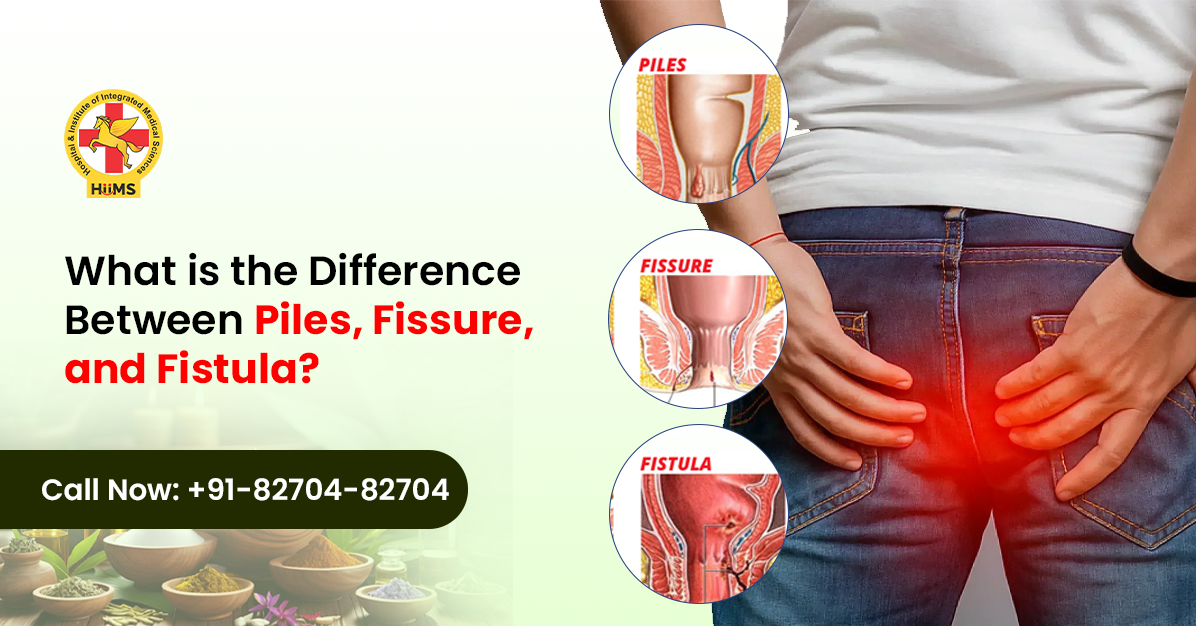
Many people face digestive and bowel issues, yet confusion often arises when trying to differentiate between piles, fissures, and fistulas. Although all three affect the anal area, each has distinct causes, symptoms, and treatment requirements. This lack of clarity sometimes prevents timely medical consultation, increasing the risk of complications. Understanding the difference between piles, fissure and fistula is essential for early diagnosis and proper care.
Ayurveda offers a natural, gentle approach that focuses on improving digestion, removing toxins from the body, and making lifestyle adjustments to support healing. At Jeena Sikho HiiMS Navi Mumbai, we frequently encounter patients who have tried several remedies without lasting relief.
Distinguishing between piles, fissure, and fistula is critical for effective treatment, and knowing the difference between piles, fissure and fistula helps guide the right therapy. In this guide, you will learn how different conditions vary, what causes them, and the signs to be aware of. Treatment options are discussed with a focus on Ayurvedic solutions, along with advice on when to seek specialist care to avoid worsening the condition.
Understanding Piles (Hemorrhoids)
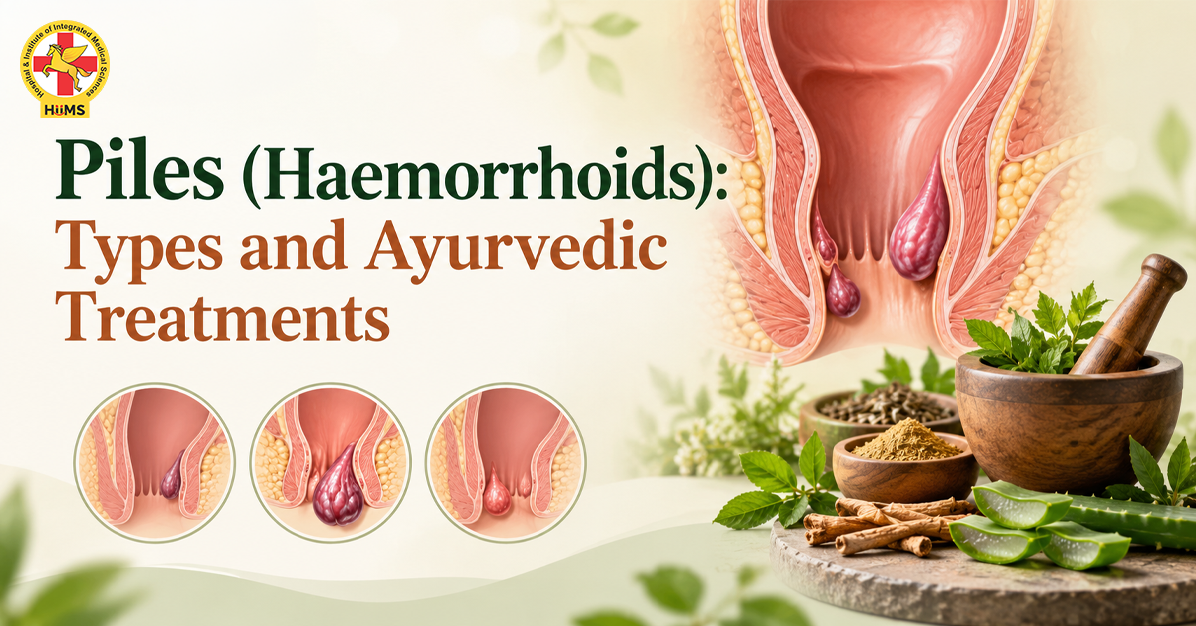
Piles, also known as hemorrhoids, are swollen veins in the lower rectum or anus. They occur due to increased pressure in these veins, often caused by constipation, prolonged sitting, pregnancy, or heavy lifting. Piles can be internal (inside the rectum) or external (around the anus). Understanding the difference between piles, fissure and fistula helps in identifying whether swelling or bleeding is due to piles.
Symptoms of Piles
Pain and discomfort around the anus
Itching or irritation
Swelling or lumps near the anal area
Bleeding during bowel movements
Causes of Piles
Chronic constipation or diarrhea
Straining while passing stools
Sedentary lifestyle
Poor diet lacking fiber
Ayurveda treats piles by focusing on improving digestion, reducing inflammation, and strengthening veins. Herbs like Triphala, Haritaki, and Aloe Vera are commonly recommended. Proper piles treatment in Navi Mumbai at clinics like Jeena Sikho HiiMS Navi Mumbai uses herbal remedies, sitz baths, and dietary changes to relieve symptoms naturally.
Understanding Anal Fissures
An anal fissure is a small tear in the lining of the anus. It often results from passing hard stools or excessive straining. Although smaller than piles, fissures can cause significant discomfort. Recognizing the difference between piles, fissure and fistula helps avoid confusion between sharp fissure pain and pile-related discomfort.
Symptoms of Fissures
Sharp pain during and after bowel movements
Bleeding, usually bright red
A visible crack or tear near the anus
Spasms in the anal muscles
Early fissure treatment helps reduce pain, prevents chronic tears, and promotes faster healing of the anal lining.
Causes of Fissures
Hard or large stools
Chronic constipation
Childbirth
Inflammatory bowel disease
A personalized Ayurvedic plan supports effective fissure treatment by improving digestion and softening stools naturally. Warm herbal oils and medicated sitz baths can help heal fissures naturally.
Visiting a fissure treatment doctor ensures that the tear is treated properly and prevents complications.
Understanding Anal Fistulas
A fistula is an abnormal connection between the anal canal and the skin near the anus. It often develops after an infection in the anal glands, which leads to an abscess. If left untreated, fistulas can become persistent and painful.
Symptoms of Fistulas
Continuous or recurrent discharge from the anus
Pain and swelling around the anal area
Irritation of the skin
Recurrent infections or abscess formation
Causes of Fistulas
Untreated anal abscesses
Chronic infections
Crohn’s disease or other inflammatory bowel conditions
Ayurveda addresses fistulas by reducing infection, improving digestion, and promoting tissue healing. Herbal pastes, medicated oils, and dietary management play a crucial role. Fistula treatment often requires careful supervision to avoid surgery, making consultation with a specialist highly recommended.
Key Differences Between Piles, Fissure, and Fistula
Understanding the difference between piles, fissure and fistula is essential for effective treatment. Here are some important distinctions:
These differences highlight why self-treatment is not always effective. Each condition requires a targeted approach. Ayurvedic treatment focuses on natural healing without harsh medications, making it ideal for long-term wellness.
Ayurvedic Approach to Treatment
Ayurveda focuses on addressing the root causes of anal health problems rather than just relieving symptoms. This holistic system emphasizes diet, lifestyle, and provides natural therapies for piles, fissures, along with specialized fistula treatment.
Kshar Sutra Therapy: Ayurvedic Treatment for Piles, Fissures, and Fistulas
One of the most effective Ayurvedic treatments for anorectal disorders is Kshar sutra therapy, which provides a non-surgical solution for piles, fissures, and fistulas.
What Is Kshar Sutra Treatment?
Kshar Sutra is a medicated thread prepared with herbal substances that treat diseased tissue gradually while promoting healing. Unlike conventional surgery, it is a gentle, safe, and outpatient procedure.
Preparation of Kshar Sutra
The thread is coated with medicinal herbs such as:
Snuhi Ksheera (latex of Snuhi plant)
Apamarga Kshar (alkaline ash)
Haldi Churna (turmeric powder)
The thread receives 21 coats in a specific sequence, enhancing its antiseptic, healing, and astringent properties.
How Kshar Sutra Works
For piles, the thread ties around the pile mass, which gradually drops off while healing naturally.
For fistulas, it passes through the fistulous tract, removes unhealthy tissue, and promotes healing.
For fissures, it helps relax anal muscles and repair the tissue gently as part of comprehensive fissure treatment.
This therapy allows for natural drainage of pus or fluid, reducing infection risk and speeding up recovery.
Benefits of Kshar Sutra Therapy
Non-Surgical: No cutting or stitching required
Outpatient Procedure: Minimal hospital stay
Local Anesthesia: Safer than general anesthesia
Quick Recovery: Patients can resume work in 3–5 days
Low Recurrence: Treats the root cause, reducing chances of relapse
Minimal Disruption: Preserves normal bowel function
Diet and Lifestyle for Healthy Anal Function
Ayurveda emphasizes preventive care alongside treatment. Proper diet and lifestyle significantly improve anorectal health and help patients understand the difference between piles, fissure and fistula through symptom changes.
Recommended Foods
Eat simple, fiber-rich meals for smooth digestion
Watermelon, ragi porridge, soaked chia seeds, coconut lassi
Light meals, herbal teas, and soups
Foods to Avoid
Milk tea, which can burden liver and kidneys
Fried, processed, or spicy foods
Foods causing constipation, such as cheese, red meat, refined flour
Quick Tips for Healthy Bowels
Use Indian-style toilets to reduce rectal pressure
Include high-fiber foods: whole grains, fruits, vegetables
Drink 2–3 liters of water daily
Stay active with yoga, walking, or light exercises
Avoid prolonged sitting; maintain gentle physical activity
Take warm sitz baths to ease pain and calm the area
Keep the anal area clean to prevent infection
These steps help promote healing and reduce the risk of complications. Clinics providing piles treatment in Navi Mumbai also emphasize lifestyle correction.
At Jeena Sikho HiiMS Navi Mumbai, personalized plans offered by qualified piles treatment doctor ensure each patient receives the most effective Ayurvedic care, whether for piles, fissures, or fistulas.
Who Should Avoid Kshar Sutra Therapy?
While most patients can safely undergo Kshar Sutra Therapy, some conditions require alternative treatment after doctor consultation:
Pregnancy
Rectal cancer
Severe infections or immune-compromised states
Advanced liver diseases
Always consult an experienced Ayurvedic practitioner or a trusted piles treatment doctor to ensure the therapy is suitable.
When to Consult a Doctor
Even though Ayurvedic treatments like Kshar Sutra Therapy are effective and safe, there are certain situations where immediate medical attention is necessary. Recognizing these warning signs early can prevent complications and ensure timely recovery.
Excessive bleeding: While mild bleeding during bowel movements can occur with piles or fissures, heavy or persistent bleeding should never be ignored. It may indicate a more serious condition that requires prompt evaluation.
Severe pain unrelieved by home remedies: If pain around the anus or rectum continues despite using Ayurvedic care, sitz baths, or pain-relieving measures, it could be a sign of infection, deep tissue damage, or a more severe underlying problem.
Persistent discharge or infection: Any persistent discharge or pus may indicate the need for targeted fistula treatment. Prompt consultation is needed to prevent the infection from spreading or becoming chronic.
Symptoms lasting more than a few weeks: Conditions like piles, fissures, or fistulas usually improve with proper care within a few weeks. If symptoms persist longer than expected, it is important to consult a doctor for further evaluation and targeted treatment.
Other warning signs: Severe swelling, fever, or discomfort affecting daily activities are additional red flags that require medical attention.
Timely consultation with an Ayurvedic specialist or piles treatment doctor ensures complications are avoided, treatment is more effective, and long-term anal and digestive health is preserved. Early attention not only accelerates healing but also reduces the likelihood of recurrence or surgery.
Preventing Piles, Fissures, and Fistulas
Prevention is the best way to maintain long-term anal and digestive health. Simple lifestyle and dietary habits can greatly reduce the risk of developing piles, fissures, or fistulas while keeping in mind the difference between piles, fissure and fistula.
Eat a fiber-rich diet: Include plenty of fruits, vegetables, whole grains, and legumes in your meals. Fiber helps soften stools, prevents constipation, and reduces straining during bowel movements, which is a major cause of anorectal problems.
Drink plenty of water: Staying hydrated keeps stools soft and supports smooth digestion. Aim for at least 8–10 glasses of water daily.
Exercise regularly: Physical activity like walking, yoga, or light workouts helps improve bowel movements, supports circulation, and strengthens pelvic muscles, reducing the risk of piles and fistulas.
Avoid prolonged sitting or straining: Sitting for long periods and excessive straining during toilet use can increase pressure in the anal veins, leading to piles or worsening existing conditions. Use proper posture and avoid unnecessary straining.
Maintain good hygiene: Keeping the anal area clean prevents infections and promotes overall anal health. Use gentle, non-irritating cleansing methods after bowel movements.
Follow Ayurvedic detox and supplements: Ayurveda recommends periodic detox routines, herbal teas, and natural supplements to support bowel function, strengthen tissues, and prevent inflammation in the anal region.
By following these habits consistently, you can significantly lower the risk of developing anorectal disorders and support overall digestive wellness.
Conclusion
Piles, fissures, and fistulas are common anorectal conditions, yet each has distinct causes, symptoms, and treatment needs. Clearly understanding the difference between piles, fissure and fistula helps avoid misdiagnosis and ensures timely care. Ayurveda offers a gentle and effective approach, focusing on diet, lifestyle, herbal remedies, and therapies like Kshar Sutra, which provides non-surgical, targeted healing.
With proper care, personalized treatment plans, and preventive habits, patients can achieve long-term relief while preserving anal function and overall well-being. Hospitals like Jeena Sikho HiiMS Navi Mumbai combine traditional wisdom with modern guidance, ensuring safe, natural, and lasting recovery with advanced piles treatment in Navi Mumbai and expert supervision from a qualified piles doctor.
FAQs
Q1. What is Kshar Sutra Therapy?
It is an Ayurvedic treatment that uses a herbal-coated thread to treat anorectal problems naturally.
Q2. How long until healing occurs?
Healing generally takes 2–4 weeks, depending on the size and location of the problem.
Q3. Can piles, fissures, or fistulas heal without surgery?
These issues can be managed naturally and safely using Ayurvedic therapies without surgery.
Q4. Who should avoid Kshar Sutra Therapy?
This treatment should be avoided by pregnant women, people with rectal cancer, serious infections, or advanced liver problems, and they should seek medical advice.
The medicated thread removes unhealthy tissue from the fistula tract and helps it heal naturally.