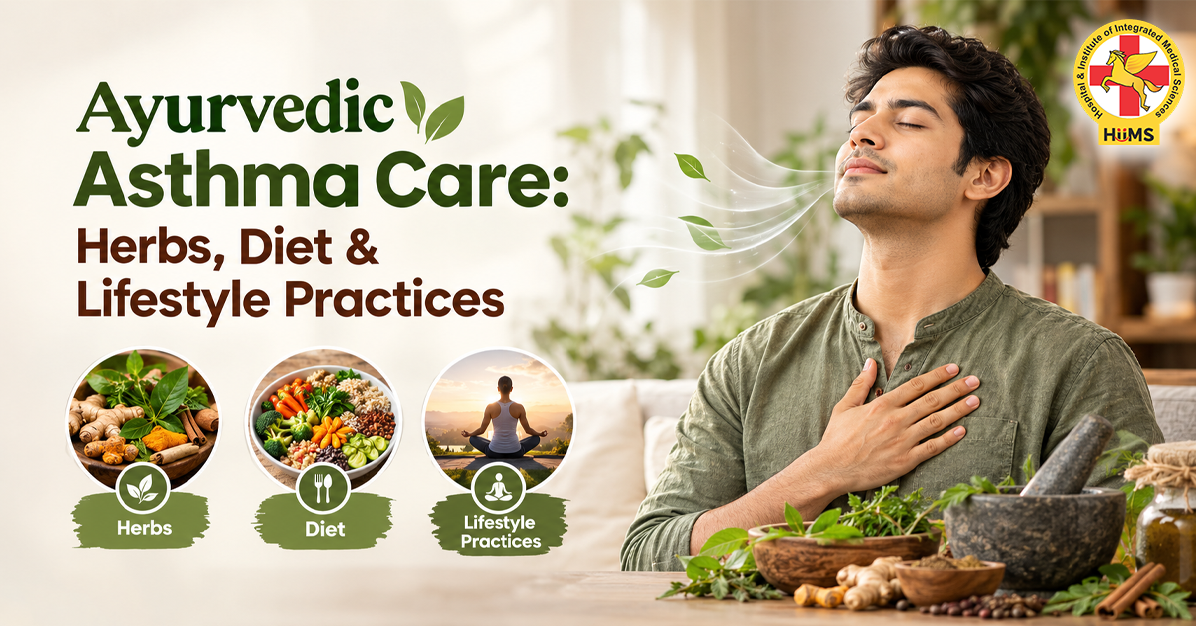
Asthma is a chronic breathing problem that affects the airways and causes them to become inflamed and constricted. Asthma symptoms include wheezing, coughing, shortness of breath and chest tightness. Dust, smoke, air pollution, pollen, weather changes and other personal triggers may make symptoms worse. According to the World Health Organization, asthma affects both children and adults.
In Ayurveda, asthma-like breathing problems are traditionally described under conditions such as Tamaka Swasa and Swasa Roga. Ayurvedic asthma care focuses on the balance of Vata and Kapha, suitable food, daily routine, breathing practices and the traditional herbal support.
Did You Know?
According to WHO, asthma affected an estimated 262 million people worldwide in 2019 and was associated with approximately 455,000 deaths that year. WHO also states that appropriate medication and avoiding asthma triggers can help people manage the condition. Read more from WHO.
Early Asthma Symptoms
Recognising early asthma symptoms can help a person understand when to seek appropriate guidance. Common symptoms may include:
• Repeated coughing, especially at night
• Wheezing while breathing
• Shortness of breath
• Chest tightness
• Breathing difficulty during physical activity
• Symptoms that become worse around dust, smoke or other triggers
These symptoms can also occur with other respiratory conditions. Severe or sudden breathing difficulty requires immediate medical attention.
In case you have a persistent cough and are experiencing wheezing or difficulty in breathing, you can schedule a free consultation at Jeena Sikho HiiMS Bengaluru to learn about the best Ayurveda and lifestyle suggestions for you.

What Does Ayurveda Say About Asthma?
In the field of Ayurveda, asthma-like respiratory conditions are considered under the disorders such as Tamaka Swasa and Swasa Roga. In the Ayurvedic treatment process, the importance of Vata and Kapha balance, as well as the health condition of the patient, is the primary focus.
Therefore, Ayurvedic asthma care might involve the customised herbs, diet, exercise, yoga, and breath exercises.
Ayurvedic Herbs for Asthma

Several herbs are traditionally used in Ayurveda for respiratory wellness.
Tulsi: Tulsi is traditionally used in Ayurvedic preparations for respiratory wellness.
Pippali: Pippali, or long pepper, is traditionally used in the Ayurvedic formulations associated with respiratory health and Kapha balance.
Mulethi: Mulethi, also known as liquorice root, has a long history of traditional use for throat and respiratory comfort.
Vasa: Vasa, or Adhatoda vasica, is traditionally included in Ayurvedic respiratory preparations.
Sonth: Sonth, or dry ginger, is traditionally valued for digestion and commonly used in Ayurvedic preparations.
Herbs should be selected according to individual needs and guidance from a qualified practitioner, particularly when a person is already taking medicines.
Ayurvedic Remedies for Respiratory Health
Traditional ayurvedic practices comprise a number of techniques aimed at promoting respiratory health. These techniques include the use of herbs, foods, breathing, yoga and daily routines. These practices may be different based on one’s specific needs.
Ayurvedic Diet for Asthma
In Ayurveda, food is an important part of daily health. A suitable diet may focus on warm, freshly prepared and easily digestible meals.
Foods to Include
Warm, freshly cooked meals
Moong dal
Seasonal vegetables
Lightly cooked leafy vegetables
Rice when suitable
Ginger, cumin, turmeric and black pepper in appropriate amounts
Warm water and suitable herbal beverages
Foods to Avoid
Some people may find that certain foods or drinks worsen their symptoms. Cold beverages, very heavy meals, deep fried foods and highly processed foods may be reduced when they do not suit the individual.
There is no single asthma diet for everyone. Food choices should be based on individual tolerance, allergies and overall health.

Ayurvedic Lifestyle for Asthma
Daily habits can also support the respiratory wellness.

1. Pranayama and Yoga
Gentle breathing practices such as Anulom Vilom may be included as part of a personalised routine. Strong breathing exercises should only be practised under suitable guidance, especially by people with respiratory problems.
Yoga has also been studied in people with asthma. A Cochrane review included 15 randomised controlled trials involving 1,048 participants. It found moderate-quality evidence that yoga may provide small improvements in quality of life and asthma symptoms, while its effect on lung function remained uncertain. Read the research study on PubMed.
2. Abhyanga
Warm oil massage, or Abhyanga, is traditionally used as part of Ayurvedic daily wellness practices. It may be considered according to individual suitability.
3. Managing Triggers
Avoiding known triggers is an important part of asthma care. Common triggers can include smoke, dust, air pollution, pollen, mould and strong fragrances.
What Does Research Say About Ayurvedic Asthma Care?
Herbal medicines have also been studied as complementary support for asthma. A systematic review included 29 studies involving 3,001 participants. Some studies found improvements in the lung function and asthma control when herbal medicines were used alongside routine asthma medicines. However, the researchers rated the included studies as low to moderate quality and noted important limitations. Read the herbal medicine study on PubMed.
This means herbal medicines may have potential as complementary support, but the available evidence is not strong enough to consider them a replacement for prescribed asthma care.
Ayurvedic Asthma Care at Jeena Sikho HiiMS
At Jeena Sikho HiiMS, Ayurvedic asthma care is planned according to the individual's health condition, symptoms, dietary needs and daily routine. Traditional Ayurvedic guidance may include suitable herbs, Aahar Vihar and selected lifestyle practices based on individual requirements.
The approach is personalised, with the attention to overall respiratory wellness and the day-to-day habits.
Conclusion
Ayurvedic asthma care traditionally focuses on Vata and Kapha balance, suitable food, daily routine, breathing practices and herbal support. At Jeena Sikho HiiMS, Ayurvedic asthma treatment is planned according to individual health needs, with focus on diet, lifestyle and traditional Ayurvedic care. For personalised guidance on Ayurveda for asthma, consider a VOPD consultation at Jeena Sikho HiiMS Bengaluru.

FAQs
1. What is asthma as per Ayurveda?
The conditions of asthma are classified under Tamaka Swasa or Swasa Roga. The factors that play an important role in asthma as per Ayurveda include Vata and Kapha equilibrium, diet, digestion, and lifestyle.
2. What are some of the early asthma symptoms?
Some of the common early asthma symptoms are cough, wheezing, shortness of breath and the chest tightness.
3. Which herbs are traditionally used for asthma?
Tulsi, Pippali, Mulethi, Vasa and Sonth are traditionally used in Ayurvedic respiratory preparations. Their suitability depends on the individual.
4. What foods should be avoided in asthma?
Cold beverages, very heavy meals, deep fried foods and highly processed foods may not suit some people. Food choices should be personalised based on individual tolerance.
5. How do you treat your respiratory ailments with Ayurveda?
The Ayurvedic treatment for asthma depends on the symptoms, the need for specific food, the way of life, the digestive system, and the general well-being of an individual.