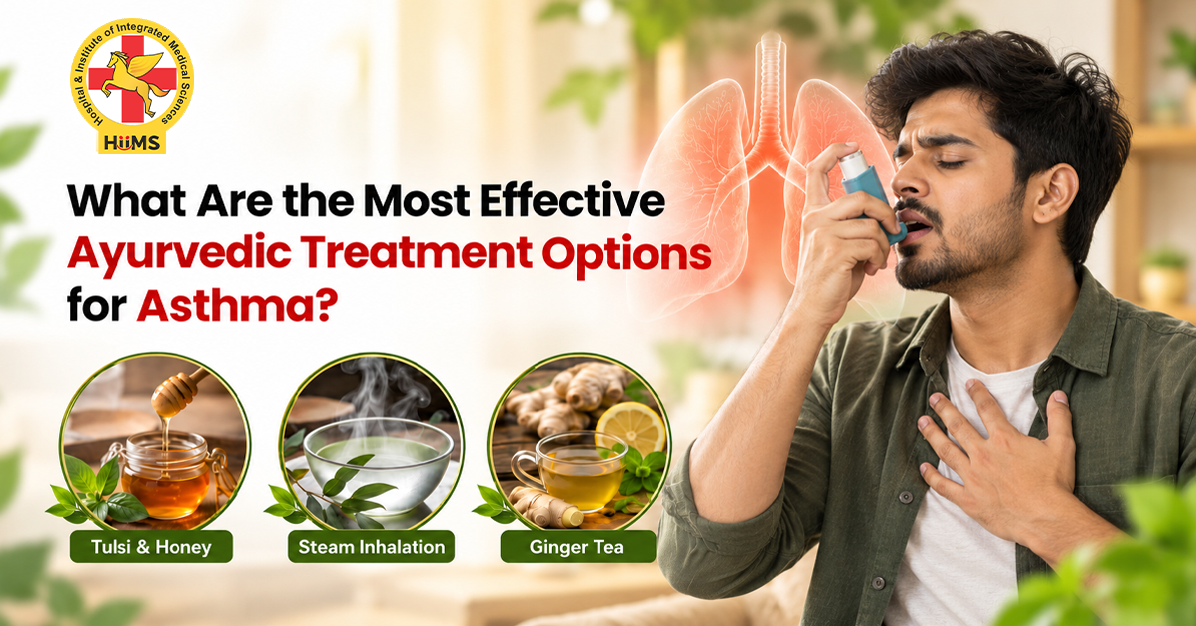
A sudden tightness in the chest during Bengaluru's humid monsoon evenings, or waking up gasping at 3 AM, if you've dealt with asthma for years, you already know how unpredictable it can be. India carries a surprisingly heavy share of the world's asthma burden, and that's exactly why so many people here are now looking toward more complete, long-term management through Ayurveda.
This blog breaks down what actually causes asthma, how to recognize it early, and what Ayurvedic treatment options genuinely offer for lasting relief.
How Common Is Asthma, Really?
Asthma in India isn't a minor concern. A study in the International Journal of Pulmonology and Disorders found India accounts for nearly 12.9% of global asthma cases, and a pretty alarming 42.4% of global asthma deaths, despite being a fraction of the world's population. That gap alone says a lot.
If you've noticed your child wheezing more during Bengaluru's dusty, pollen-heavy months, it's worth getting a proper evaluation rather than waiting for a full-blown attack.

What Is the Cause of Asthma?
There's rarely a single trigger. The cause of asthma is usually a mix of genetics and environment working together:
Family history of asthma or allergies
Air pollution, especially in traffic-heavy parts of the city
Dust mites, pollen, pet dander
Childhood respiratory infections
Sudden cold air or weather shifts
Smoking, or just being around secondhand smoke regularly
There's also a strong link between asthma and allergic rhinitis in Indian patients specifically, one nationwide survey found close to 65% of asthmatics also dealt with allergic rhinitis at the same time. These two conditions really do feed off each other.
How Do You Recognise Asthma Symptoms Early?
Catching asthma symptoms early genuinely changes how manageable the condition is. Common signs include:
Wheezing, that whistling sound, especially breathing out
A cough that gets worse at night and won't quit
Breathlessness during things that never used to bother you
A tight, heavy feeling sits in your chest
Symptoms acting up around exercise, cold air, or specific allergens
If these show up regularly, it's worth a proper diagnosis rather than just reaching for temporary relief each time.

How Does Ayurvedic Treatment for Asthma Work?
Ayurveda calls asthma Tamaka Shwasa, and it's mainly tied to a Vata-Kapha imbalance, made worse by weak digestion that lets mucus and toxins pile up in the respiratory channels over time.
Instead of just chasing symptom relief every time an attack hits, Ayurvedic treatment for asthma works on fixing that underlying imbalance, through diet, detox therapies, and focused breathing practices, slowly bringing down how often and how badly flare-ups show up. At Jeena Sikho HiiMS Bengaluru, this usually looks like a combination of a few things working together.
1) Panchakarma for Clearing Respiratory Congestion
At Jeena Sikho HiiMS, Panchakarma therapies, particularly Vamana, are used to help clear excess Kapha and mucus buildup from the respiratory system. This is one of the more direct ways that Ayurveda approaches the root cause of recurring congestion, rather than simply managing it as it comes.
2) Herbal Formulations for Lung Support
Ayurvedic asthma care commonly includes herbal formulations using ingredients like Vasa, Tulsi, and Mulethi. These herbs have long been revered for their ability to support lung health, calm airway inflammation and help the body deal with recurring respiratory stress over time.
3) The CAAT Protocol for Breathing Correction
Beyond herbs and detox, HiiMS also follows something called the CAAT protocol, which zeroes in on improving lung capacity and fixing breathing patterns over time. Nothing instant about this one, it's a structured, ongoing piece of the puzzle, meant to build real respiratory strength gradually.
4) Diet as Part of an Ayurvedic Lifestyle for Asthma
An Ayurvedic lifestyle for asthma places real importance on food choices. Warm, freshly cooked meals are generally preferred over cold or heavy, oily food, since the latter is believed to aggravate Kapha and worsen mucus buildup. Reducing excessive dairy intake is also commonly recommended as part of this dietary approach.
5) Breathing Practices and Daily Routine
Regular, gentle breathing exercises like Pranayama are commonly recommended to build lung strength gradually as part of an Ayurvedic lifestyle for asthma. A consistent sleep schedule and keeping indoor spaces free of dust and dampness round out the daily routine, small changes that, done consistently, genuinely add up over months.
Conclusion
Asthma is manageable, but given how disproportionately high India's burden actually is, understanding your specific triggers and committing to a consistent, long-term Ayurvedic routine matters more than most people realize.

If you'd like to explore this kind of integrated, Ayurveda-based approach to managing asthma, you can book a VOPD consultation with Jeena Sikho HiiMS Bengaluru and talk through your symptoms and triggers with our team.
FAQ’s
1) How long does Ayurvedic asthma care typically take to show results?
This varies from person to person, but many people report fewer flare-ups and better breathing control after a few months of consistent therapy and lifestyle changes.
2) Is asthma more of a kids' issue or an adults' issue in India?
Both get hit pretty hard, though childhood asthma specifically has climbed sharply in urban areas over the last few decades.
3) Does pollution genuinely make asthma worse?
Yes, it's one of the most well-documented triggers out there, especially relevant for traffic-heavy cities like Bengaluru.
4) Is there really a link between allergic rhinitis and asthma?
Yes, research shows a strong overlap between the two in Indian patients, which is part of why treating allergies often helps asthma control too.
5) How big a role does diet actually play here?
Pretty central, honestly. Warm, light food over cold, heavy, or dairy-rich meals, since those are believed to stir up the Kapha imbalance behind asthma.