Our body needs cholesterol to make hormones, build cells, and support several normal functions. But when there is too much cholesterol in the blood, it can become a health concern. High cholesterol does not usually make a person feel sick in the early stages. There may be no headache, pain, or other clear sign to tell that cholesterol is high. Many people therefore find out about it only when they have a blood test. If LDL cholesterol remains high for years, it may add to plaque buildup inside the arteries and increase the risk of heart-related problems and stroke.
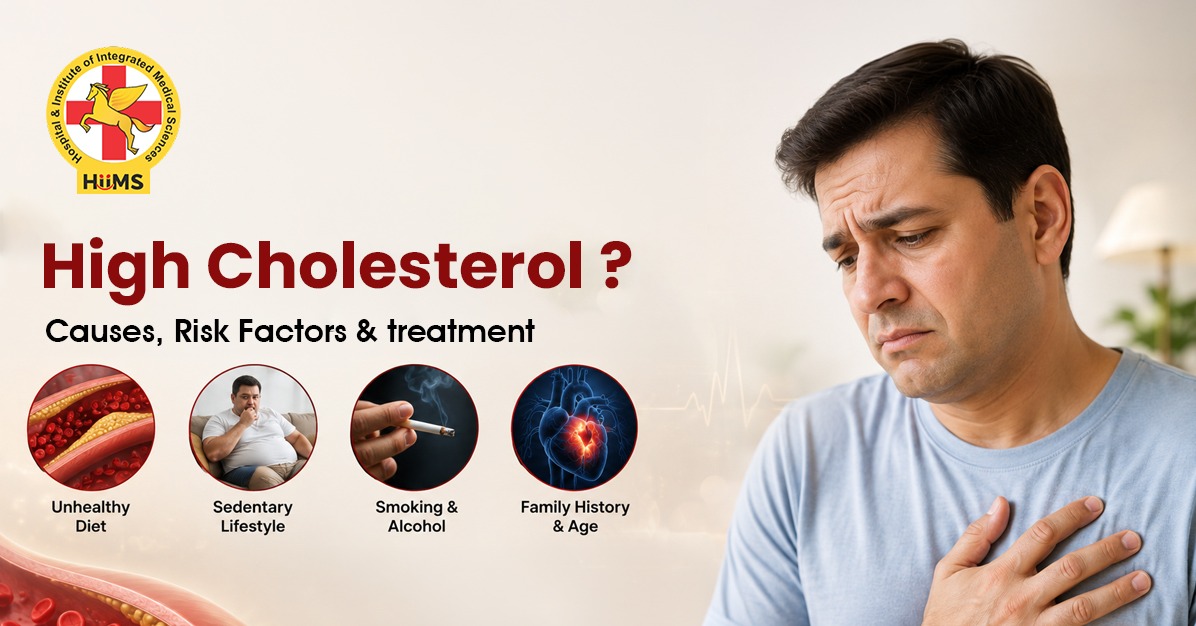
The causes of high cholesterol are not limited to food alone. A lack of exercise, excess weight, smoking, family history, certain health conditions, age, and some medicines may also affect cholesterol levels. At Jeena Sikho HiiMS Meerut, looking at these factors together can help support a more complete approach to health and wellness. Looking at these factors together gives a clearer picture of why cholesterol may become high. This blog discusses the common causes and risk factors and also looks at natural ways to support healthy cholesterol levels.
What Is High Cholesterol?
Cholesterol travels through the blood with the help of substances called lipoproteins. The two commonly discussed types are LDL and HDL.
LDL is often called bad cholesterol because when its level becomes too high, it may collect inside the artery walls and lead to the plaque formation.
HDL is called good cholesterol because it helps carry extra cholesterol back to the liver, where the body can process it and remove it.
It is not right to judge cholesterol health by looking at just one number. Age, family history, other health problems, and daily habits can all affect cholesterol levels.
Common Causes of High Cholesterol
There are several causes of high cholesterol, and the reason can be different in different people. Eating habits are one part of the picture, but physical activity, weight, family history, and some health conditions also matter.
Some common causes include:
Having foods rich in saturated fat too often, such as butter, fatty meat, and full-fat milk products.
Eating large amounts of processed or refined foods.
Doing very little exercise and sitting for many hours.
Having extra body weight.
Smoking or spending a lot of time around smokers.
Drinking too much alcohol.
Not sleeping well and remaining stressed for the long periods.
A family history of high cholesterol.
Health conditions like diabetes, kidney disease and an underactive thyroid.
This is why what causes cholesterol should be understood by looking at the person's complete routine instead of focusing on one particular food.
What Health Problems Can High Cholesterol Cause?
High cholesterol can remain unnoticed for a long time. High LDL may cause cholesterol to build up in the walls of the arteries. As this buildup increases, it can form the plaque and make blood flow harder.
Heart Disease: High cholesterol is one of the factors that may contribute to plaque formation in the arteries and can affect the health of the heart.
Heart Attack: If plaque causes a blood vessel supplying the heart to become blocked, the heart may not receive enough blood and oxygen.
Stroke: Cholesterol related plaque in the blood vessels can affect blood supply to the brain and raise the risk of stroke.
Poor Blood Circulation: When plaque collects inside the arteries, the space for blood flow can become smaller.
Peripheral Artery Disease: When plaque builds up in the arteries of the legs or arms, it can cause pain and other circulation related problems.
In short, high cholesterol may not be felt in the beginning, but its effects can develop gradually. Taking care of cholesterol levels is therefore an important part of looking after long-term heart health.
How Food Habits Affect Cholesterol?
Daily food habits are among the factors linked to high cholesterol causes. Eating fried foods and processed foods regularly may increase the amount of unhealthy fat in the diet. A person can make the following changes without making meals complicated:
Limit unhealthy fats: Reduce the intake of fried foods, fatty cuts of meat, butter and other heavily processed foods.
Eat more plant foods: Make space for the vegetables, fruits, whole grains, beans, lentils, nuts and seeds.
Choose better cooking methods: Try simple cooking methods at home and keep deep-fried foods for occasional meals.
Cut down on packaged snacks: Fruits, roasted chana and nuts can be used instead of chips and other packaged snacks.
Make changes slowly: Small steps are easier to manage than making many changes in the diet at one time.
Overall, choosing more home-cooked food and eating fewer processed items can be a sensible way to support healthy cholesterol levels.
Natural Ways to Support Healthy Cholesterol
It is easy to look for one food or one home remedy when cholesterol levels are high. In reality, better support usually comes from several healthy habits followed together.
Stay Active: Make some time for walking, yoga, cycling, or any other activity that you can comfortably continue.
Maintain a Healthy Weight: Gradual weight loss, when needed, can support healthier cholesterol and may also improve general fitness.
Sleep Well: Good sleep is the basic part of a healthy routine, so try not to make late nights a regular habit.
Manage Stress: Simple things such as slow breathing, meditation, prayer, or sitting quietly for a while can help a person deal with everyday stress.
Avoid Tobacco: Smoking affects HDL cholesterol and can harm heart health in more than one way.
Limit Alcohol: Drinking too much alcohol may raise triglycerides, and over time this can affect overall health as well.
Follow a Routine: A body adjusts more easily when meals, movement, sleep, and rest follow some kind of regular pattern.
At Jeena Sikho HiiMS Meerut, natural wellness care tends to look at these habits together, and guidance is given based on what a person actually needs.
Can Ayurveda Support Cholesterol Management?
Ayurveda emphasises digestion, food habits, daily routine, physical activity and balance in the body. From this point of view, cholesterol management can include paying attention to what a person eats, how regularly they eat, how active they remain, and how well they sleep.
Ayurvedic cholesterol treatment may include personalised dietary guidance, yoga, breathing practices, meditation and selected therapies according to the person's health condition. These approaches should be planned according to individual needs rather than followed blindly.
The main focus should remain on improving the daily routine and supporting overall wellbeing. Regular cholesterol testing is also important because high cholesterol may not produce noticeable symptoms.
Conclusion
High cholesterol may be linked with different factors such as unhealthy eating, less physical activity, extra weight, family history, age, and some health conditions. Understanding the causes of high cholesterol can help a person make better choices in everyday life. Eating simple, balanced meals, staying active, sleeping well, and taking some time to relax can all be helpful in maintaining the healthy cholesterol levels.
At Jeena Sikho HiiMS Meerut, guidance is given according to the health needs and daily routine of a person. Those who prefer a personalised natural approach can also take a VOPD consultation to understand suitable dietary, lifestyle and Ayurvedic wellness options.