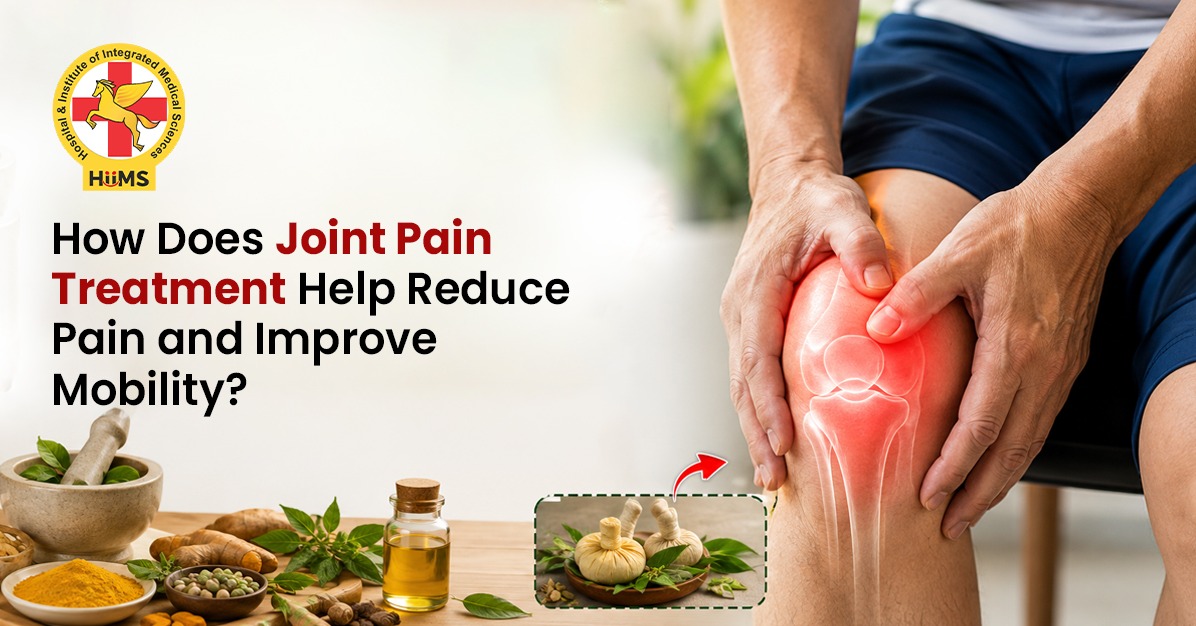
Living with chronic joint discomfort makes basic daily life exhausting. Simple tasks like standing up from a chair, climbing stairs, or going for a short morning walk become difficult. When your joints hurt, your entire world shrinks, limiting your independence and keeping you from enjoying time with family. Joint pain refers to discomfort, soreness, or inflammation arising from any part of a joint including cartilage, bone, ligaments, tendons or muscles.
Many people ignore early stiffness or rely on quick fixes, hoping the discomfort will magically disappear. However, ignoring joint issues usually allows the underlying wear-and-tear to worsen over time. Finding an effective, root cause joint pain treatment is essential if you want to reduce swelling, protect your cartilage and enjoy active living.
What Are the Causes and Symptoms of Joint Pain?
Understanding why your joints hurt is the first step toward effective healing. Joint discomfort can develop from several underlying factors
Osteoarthritis - The gradual wear and tear of protective joint cartilage over time causing bones to rub directly against each other
Inflammatory and Autoimmune Conditions - Conditions like rheumatoid arthritis where the immune system mistakenly attacks lining of the joint capsule
Accumulation of Toxins - Metabolic waste that builds up due to weak digestion and settles in joint spaces, causing stiffness, heaviness, and irritation
Vata Imbalance - In Ayurvedic terms, an excess of dry and cold Vata dosha (body energy) dries up natural joint lubrication, leading to cracking sounds and stiffness
Past Injuries and Strain - Old ligament tears, joint dislocations, or years of heavy physical labor that put excessive stress on specific joints
Joint pain typically manifests as persistent aching, stiffness especially in the morning, and visible swelling around the joints. Patients often experience a reduced range of motion, a cracking or grinding sensation during movement and tenderness that makes weight bearing activities difficult throughout the day.
Why People Choose Ayurvedic Approach for Joint Pain Treatment?
Whereas traditional allopathic remedies such as painkillers and anti-inflammatory medications may provide short-term joint pain relief by suppressing pain sensations, such treatments will not heal tissue damage nor prevent further cartilage deterioration. Over-reliance on medication on a daily basis could cause side effects over time without solving the problem.
This is why many individuals turn to Ayurveda for long-term joint pain relief. Ayurvedic joint pain treatment does not just suppress pain discomfort, it focuses on identifying and treating the root causes such as toxin build up and an aggravated Vata dosha. Ayurveda helps to nourish the joint tissues using herbs and natural therapies in a natural manner. This Ayurvedic procedure helps to maintain the remaining cartilage and reduces joint pain and improves mobility.
How Does Ayurvedic Treatment Help Reduce Joint Pain?
Jeena Sikho HiiMS Meerut offers Ayurvedic support for individuals suffering from chronic joint conditions. Consulting an experienced joint pain specialist at Jeena Sikho HiiMS ensures you receive a care plan personalised to your specific body type.
Joint Therapies
Janu Basti - Warm, medicated herbal oils are pooled over the knee joints inside a ring made of herbal dough. This deeply lubricates dry cartilage, reduces friction and calms nerve irritation
Kati & Greeva Basti - Focused warm oil retention treatments designed to relieve deep-seated stiffness in the lower back, neck, and shoulders
Abhyanga & Swedana - Full body massage followed by herbal steam to soften stubborn toxins trapped in joint spaces and flush them out through sweat
Agni Karma - Controlled thermal application on specific pressure points for fast Joint pain relief
Patra Potali Swedan - Massage using warm herbal poultices packed with medicinal leaves and dipped in oils to boost circulation, release muscle spasms and ease joint pain
Basti - It is a Panchkarma Detoxification therapy that target Vata dosha right at its primary origin in the lower digestive tract
Herbal Support
Ayurvedic care relies on pure herbs known for their anti-inflammatory and restorative properties. Herbs like Shallaki and Guggulu help reduce tissue swelling while Nirgundi and Ashwagandha strengthen muscles, soothe nerve pain, and promote natural tissue recovery
Dietary Guidance
What you eat directly impacts joint inflammation. A personalised Ayurvedic diet focuses on warm, freshly cooked, and easily digestible meals. Including anti-inflammatory spices like turmeric, fresh ginger and garlic helps clear metabolic waste. At the same time, reducing cold, raw, dry, processed, and fried foods prevents Vata aggravation and keeps digestion strong.
Lifestyle Changes
Simple daily habits help protect your joints from further strain. Practicing Yoga, daily exercises, proper sitting posture and adequate sleep allow damaged joint tissues to repair naturally.
These specific Ayurvedic treatments along with proper lifestyle advice will provide you permanent joint pain relief without any long term medication. You should consult a specialist if your joint pain lasts more than two weeks, causes persistent morning stiffness or hinders your ability to walk and carry out basic tasks. To get a recovery plan personalised to your specific condition, consulting a qualified joint pain doctor is the most effective step toward regaining your freedom of movement.
Conclusion
Living with joint pain does not have to be an inevitable part of ageing or daily life. Quick fixes like pain medication may give you temporary relief, but a joint pain treatment addresses the cause of your damage, safeguards your cartilage and helps restore your body’s natural ability to move freely.
By combining Ayurvedic therapies, herbal support, proper nutrition and mindful daily habits, you can take control of your joint health. Consult a qualified joint pain doctor through HiiMS VOPD or visit your nearest Jeena Sikho HiiMS Meerut centre to start your journey toward lasting comfort.
FAQs
1. Can natural Ayurvedic therapies help me avoid knee or hip replacement surgery?Therapies like specialised oil therapies, Panchkarma and herbal medicines can stop cartilage degeneration, rebuild joint stability and reduce the need for surgery.
2. What makes Ayurvedic joint pain treatment safer than relying on long term painkillers?
Ayurvedic treatment cleanses internal toxins and restores natural joint lubrication using natural therapies avoiding the stomach ulcers, kidney stress and acidity associated with long-term painkiller use.
3. How does Janu Basti therapy at HiiMS help restore knee joint flexibility?
Janu Basti pools warm, medicated oils over the knees to deeply penetrate joint tissues, soothe inflamed nerves, and nourish dry cartilage, making movement smooth and pain-free.
4. Does cold weather actually make joint pain worse?
5. Is light walking safe if I already have knee pain?
Gentle walking on flat surfaces actually helps keep your joints lubricated and moving, as long as you listen to your body and avoid pushing through sharp pain.