These days, anxiety is something many people deal with daily. It is not limited to stress alone and can be noticed even in normal day-to-day life. A person may feel restless, think too much about the small things, or feel uneasy without a clear reason. Sometimes it stays for a short time, but at other times it continues and slowly starts affecting sleep, mood, and daily routine.
Many people look for anxiety treatment when it begins to disturb their routine. But not everyone understands that daily lifestyle also plays a big role in this. Small habits, if not managed, slowly increase mental pressure.
Natural ways are often simple, but they need regular practice. They do not show instant change, but they help the body and mind to adjust slowly. At Jeena Sikho HiiMS, this idea is often followed, where natural balance and routine correction are given importance along with care.
How Ayurveda Understands Anxiety
Anxiety is not only a mental condition. It is also connected with how the body is functioning. In Ayurveda, it is often seen as an imbalance in body energies. When the digestion is weak or routine is disturbed, the mind also gets affected. This can lead to the restlessness, fear, or disturbed sleep. Ayurveda pays less attention to symptoms alone and more to the imbalance causing them. The approach is slow and steady. It focuses on calming the nervous system, improving digestion, and bringing stability in daily life.
What Are the Common Anxiety Causes?
Understanding anxiety causes helps in managing it early. It is usually a mix of small daily habits and mental stress.
Stress: Daily pressure can slowly build mental tension.
Poor Sleep: Lack of rest makes the mind more active and uneasy.
Irregular Routine: Unfixed habits disturb the balance of the body.
Overthinking: Too many thoughts increase the worry and the restlessness.
Screen Time: Excess use keeps the brain constantly active.
These anxiety causes may seem small, but they can affect the mind over time.
Anxiety Treatment: Natural Ways for Support
Some natural practices can help in supporting anxiety attack treatment. They are not complicated, but they do require regular effort.
At Jeena Sikho HiiMS Meerut, therapies are not one-size-fits-all. They are planned according to individual body patterns. A few examples are:
Shirodhara, where warm oil is allowed to flow over the forehead for calming effect.
Abhyanga, a full body oil massage that supports the relaxation.
Nasya therapy, where herbal oil is gently given through the nose.
Bhramari pranayama, a breathing practice to reduce the internal noise.
Yoga poses like Balasana and Trikonasana for the balance and flexibility.
These are generally followed along with routine correction and simple habits. The focus stays on the gradual stability rather than the quick results.
Lifestyle Changes That Support Anxiety Treatment
Small changes in routine can help the mind feel more balanced and calm.
1. Fixing Daily Routine
When the routine is all over the place, the body struggles to find the balance. Random eating habits or the late nights can make things feel worse.
Sticking to the regular meal times and maintaining a proper sleep cycle slowly helps the body feel more settled. The change is gradual, but it holds.
2. Sleep and Rest
Sleep affects the mind more than most people notice. Poor sleep often makes anxiety feel stronger the next day.
Sleeping on time, avoiding the screens before bed, and giving the body enough rest can help ease the mind. It’s a small habit, but important for anxiety treatment.
3. Food Habits and Digestion
Food also affects how the mind feels. Heavy or processed food can make the body feel uncomfortable.
Simple home-cooked meals, taken on time, help in keeping digestion smooth. When digestion improves, the mind also feels lighter.
4. Physical Movement
The body needs some movement daily. Sitting for long hours increases stiffness and restlessness.
Walking, light yoga, or stretching helps release the built-up tension. It is not about heavy exercise, even small efforts are useful.
5. Breathing and Calm Practices
Breathing becomes fast during stress. This makes the mind more active.
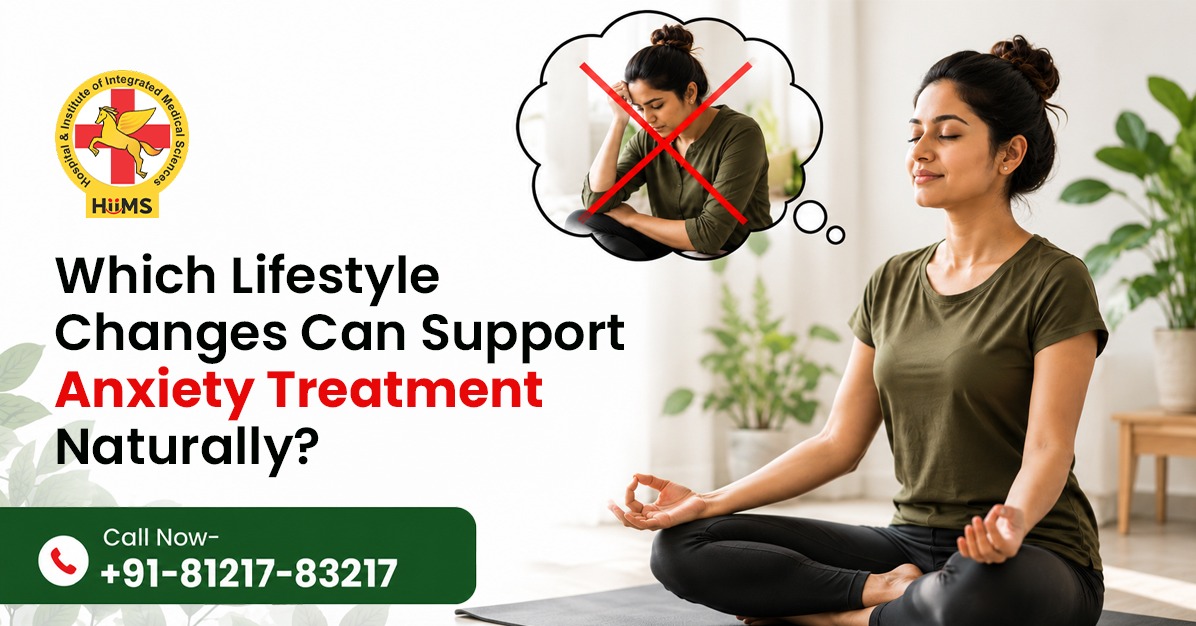
Slow breathing practices help calm the nervous system. Even sitting quietly for a few minutes daily can bring some change.
Role of Environment and Daily Surroundings
The place where a person spends most of their time also affects their mental state. A noisy or cluttered environment can increase the stress. Keeping the surroundings clean, spending some time in sunlight, and staying connected with the nature help in feeling relaxed. These small changes are often ignored, but they matter.
When Anxiety Needs Proper Guidance?
Lifestyle changes help many people, but sometimes they are not enough alone. If anxiety becomes frequent or strong, then proper guidance is needed. In such situations, anxiety attack treatment along with counselling may help manage the condition better. Combining natural habits with expert advice makes the process easier to manage.
Conclusion
Living with anxiety can feel difficult, but it is something that can be managed with patience. Small lifestyle changes, such as proper sleep, simple eating habits, calm breathing patterns, and the regular body movement, can help create the balance and support the anxiety treatment. These are slow changes, but they work with the body in a natural way.
Over time, following these habits daily can help in reducing how strong the symptoms feel. Along with this, hospitals like Jeena Sikho HiiMS Meerut can guide you in understanding your condition better. You can also take a VOPD consultation to understand your condition step by step with proper guidance.
FAQs
1. What is anxiety?
Anxiety is a feeling of worry or fear that affects both the mind and body.
2. What are the common causes of anxiety?
Anxiety can come from the simple daily issues like stress, poor sleep, constant thinking, and irregular habits.
3. How does sleep affect anxiety?
Poor sleep can make the anxiety worse and increase the restlessness.
4. Are natural therapies useful for anxiety?
They can support the relaxation and the mental balance.
5. When should I seek professional help?
When anxiety becomes frequent or difficult to manage.