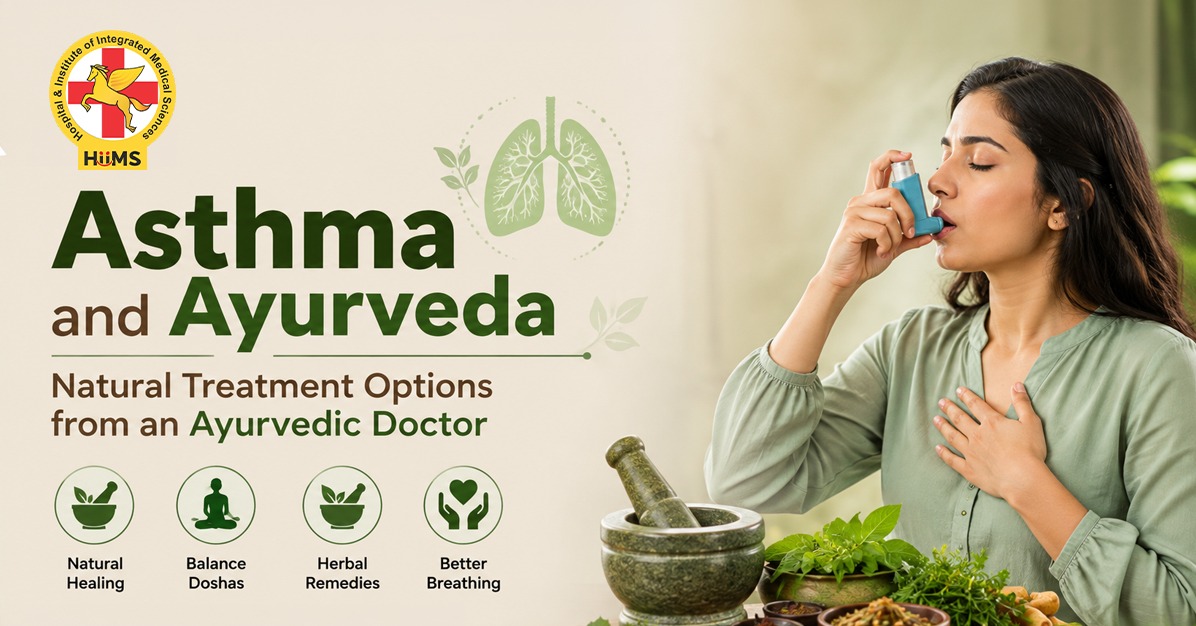
People with asthma problems are always anxious about when the next breathing difficulty might strike. Wheezing, chest tightness, persistent cough, and shortness of breath can make simple daily tasks exhausting challenges. Traditional rescue inhalers and bronchodilators are important for providing emergency relief by opening up constricted airways, but they only treat active symptoms and not the root cause of why your respiratory system is reacting like this in the first place.
For those seeking long term relief, Ayurveda offers a holistic approach to lung health. Instead of relaxing lung muscles during an attack consulting a qualified Asthma doctor helps identify internal metabolic imbalances, clearing a path toward sustainable natural asthma treatment that builds genuine respiratory strength.
Understanding Asthma in Ayurveda: What Causes Respiratory Blockages
In Ayurveda, chronic asthma is known as Tamaka Shwasa. Rather than looking at the lungs as an isolated system Ayurvedic science traces respiratory problems back to your digestion and body energy balance.
The Role of Kapha and Vata: Asthma happens when excess sticky mucus (Kapha) blocks the air passages in your lungs. At the same time aggravated air energy (Vata) causes the bronchial muscles to spasm and narrow making it hard to breathe out comfortably.
Internal Waste Accumulation (Ama): When your stomach digestion (Agni) is weak, the food you eat is not processed completely. This creates a sticky metabolic toxin called Ama. This waste travels through your bloodstream and settles in your lungs creating constant phlegm buildup.
Common Environmental Triggers: Sudden cold weather, damp air, heavy dairy products, fried foods, dust and emotional stress instantly flare up this internal imbalance.
Conventional Care vs. Ayurvedic Asthma Care
Understanding the difference between standard medical care and natural care helps you choose the right path for your health.
Conventional Approach: Standard care relies mostly on bronchodilators and steroid inhalers. These medications relax tight airway muscles quickly during emergencies. While essential for acute attacks they do not stop new phlegm from forming, nor do they fix weak digestion.
Ayurvedic Approach: An effective Ayurvedic treatment for asthma focuses on clearing old phlegm out of your body, strengthening your digestive fire so new toxins do not form, and calming sensitive lung tissues.
Why Consulting a Specialist Matters: Working with an experienced asthma doctor gives you a safe roadmap to strengthen your lungs naturally helping you lessen your reliance on daily chemical inhalers over time.
Natural Remedies & Ayurvedic Therapies for Lungs
Ayurveda offers effective natural remedies for asthma that work to clear your airways without harsh side effects. Jeena Sikho HiiMS offers these therapies to help restore lung health
Herbal Support for Respiratory Health
Vasaka: A well known herb that relaxes tight bronchial tubes, melts hard phlegm, and eases heavy coughing fits.
Trikatu: A warming spice mix that boosts sluggish digestion, warms the lungs and dries up excess mucus
Mulethi: Soothes sore, irritated throat tissue and relaxes windpipe spasms naturally.
Panchakarma Detox Therapies
Vamana: A supervised therapy that removes excess Kapha and phlegm accumulated in the chest and stomach area.
Nasya: Putting specific warm herbal oil drops into the nostrils clears head congestion, cleanses sinus channels, and protects your throat.
Herbal Steam Inhalation: Inhaling warm steam infused with ajwain or eucalyptus oil opens up tight airways quickly and thins out sticky mucus.
How an Asthma Doctor Guides Your Recovery
At Jeena Sikho HiiMS, lung care is handled through simple, personalised steps rather than common prescriptions. When you consult an asthma doctor at HiiMS your healing journey includes:
Nadi Pariksha: The doctor reads your pulse to identify whether your asthma is driven more by Kapha (heavy phlegm) or Vata (dryness and spasms).
Alkaline Diet: You receive an easy-to-follow meal chart focused on warm, light, and alkaline foods. Heavy, mucus-producing foods like ice cream, refined flour, cold drinks, and heavy cheeses are removed to give your lungs a break.
Root-Cause Therapy Protocols: You are guided through safe daily herbal routines, custom steam remedies, and stress-reduction techniques designed to rebuild your organ stamina.
Simple Daily Rules to Protect Your Lungs at Home
You can easily support your lungs at home by following these four natural rules every day:
Drink Warm Water All Day: Drinking warm water keeps your throat moist and continuously thins out thick phlegm in your chest.
Avoid Cold Foods After Sunset: Eat a light, warm dinner early in the evening. Cold foods eaten late at night weaken your digestion and cause night-time coughing.
Daily Practice of Anulom Vilom: Doing 10 to 15-minutes of alternate nostril breathing (Pranayama) in the morning relaxes your nervous system, improves lung capacity and clears the air passages.
Keep Your Bedroom Dust Free: Change your bedding regularly and avoid strong synthetic room fresheners or incense smoke which irritates sensitive airways.
Conclusion
Living with asthma doesn’t mean you have to accept constant breathlessness or carry fear everywhere you go. By clearing the internal mucus, stabilising your digestion and protecting your body from cold triggers, you can help your lungs heal naturally.
If you want to stop depending only on temporary fixes and rebuild your lung strength, schedule a consultation with an asthma doctor at Jeena Sikho HiiMS today through HiiMS VOPD to start your journey toward clear, easy breathing.
FAQs
Can an asthma doctor help me reduce my inhaler usage naturally?
Yes. A trained practitioner focuses on reducing internal mucus and strengthening your lung tissues. As your lungs become stronger and less sensitive your reliance on daily inhalers often decreases under medical supervision.
What are the best remedies for asthma at home?
Drinking warm ginger water, taking steam with ajwain seeds, and applying warm sesame oil mixed with a pinch of rock salt onto the chest provide quick, natural relief during mild breathing discomfort.
How does an Ayurvedic Asthma Doctor diagnose respiratory imbalances?
An Ayurvedic asthma doctor uses Nadi Pariksha, physical examination and a detailed evaluation of your diet, digestion, and lifestyle to identify which specific doshas (Vata or Kapha) are causing your breathing difficulties.
What foods should I strictly avoid if I have asthma?
According to Ayurveda, you should avoid heavy, cold, and mucus-producing foods like ice creams, chilled beverages, curd, refined flour and deep-fried snacks.
Can breathing exercises stop a sudden, severe asthma attack?
No. During an acute asthma attack immediate medical support or a rescue inhaler is necessary for safety. Breathing exercises are preventive habits which strengthen your lungs, lower daily stress, and reduce how often attacks happen, they are not meant to replace emergency care.